- Skills-focused
- Compassionate listener
- Goal oriented
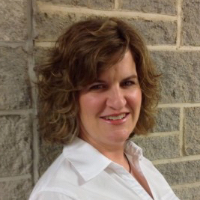
About Laurie
Her approach is straightforward and compassionate. She uses cognitive behavioral ideas to help people notice unhelpful thoughts and try different behaviors. Dialectical behavior therapy skills are part of her work with folks who struggle to manage intense emotions and impulses. She also draws on solution-focused methods to set clear, achievable goals.
Laurie trained at Loyola College where she earned a Master’s degree in Pastoral Counseling, though much of her work has been in secular settings. Her background includes outpatient care, employee assistance programs, victim advocacy, and corrections. That variety informs how she adapts to practical life challenges.
Therapy sessions are described as nonjudgmental but direct when needed. She emphasizes skills people can use right away and checks how those efforts are working. Insight matters, but action matters more in her view.
People choose Laurie when they want a counselor who listens to their story and helps turn it into a plan. She aims to help clients build routines, reduce overwhelming symptoms, and find clearer direction. Prospective clients should confirm current session options before booking.
How these approaches shape online care
Laurie uses cognitive behavioral ideas, dialectical behavior skills, and solution-focused techniques to guide online work. Cognitive Behavioral Therapy helps people identify patterns of thinking that increase anxiety or depression and then test small behavior changes to see if things improve. Dialectical Behavior Therapy offers concrete skills for managing intense emotions, reducing impulsive actions, and improving distress tolerance. Solution-Focused Therapy concentrates on practical next steps and short-term goals to create momentum and change.Finding the right approach is part of the therapeutic process. Laurie will work collaboratively to choose methods that match a person nd their goals. She discusses options, checks what feels useful, and adjusts the plan as progress is made.
Session formats are not specified in the biography, so confirm current options before booking. In general, online sessions can make it easier to fit counseling into a busy life - for example, they can reduce travel time, allow for shorter check-ins on difficult days, or make it simpler to schedule appointments around work or family commitments. Licensed professionals can still use the same CBT, DBT, and solution-focused tools effectively in remote sessions when those approaches fit the client nd their goals.
Frequently asked questions
What kinds of problems does Laurie help with?
She works with stress, anxiety, depression, anger, grief, sleep problems, bipolar mood concerns, compassion fatigue, relationship strain, trauma and abuse, and related issues such as panic and social phobia.
What is her therapeutic style like?
Her style is compassionate and nonjudgmental while also challenging when progress requires it. She emphasizes practical skills and actionable steps alongside gaining insight.
How much experience does she have?
Laurie has 18 years of clinical experience across outpatient settings, employee assistance programs, victim advocacy, and corrections.
What are her credentials and where is she located?
She is an LCPC in Maryland and holds a Master egree in Pastoral Counseling from Loyola College.
Which languages are supported for sessions?
Sessions are offered in English only.
Can international clients work with her?
International clients are not currently accepted.
How does payment and cost work?
Cost varies with location and therapist availability; sessions use a subscription that can be canceled at any time.
How do I begin working with Laurie?
Select the Start Therapy button, complete a short matching questionnaire, and schedule based on therapist availability.