- Attachment focused
- Goal oriented
- Mindfulness based
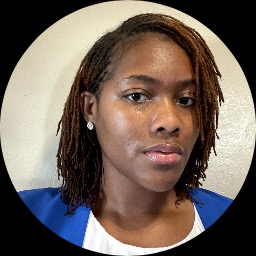
About Leslie
She uses methods that center relationships and present-moment experience to address emotional pain and difficult patterns. That can mean looking at attachment patterns, identifying unhelpful thought habits, and working to strengthen emotional connection in relationships. Sessions emphasize clear goals and practical steps that people can try between meetings.
Dr. Davis also draws on mindfulness skills to help people notice thoughts and feelings without getting overwhelmed. When needed, she integrates techniques from emotionally-focused and client-centered approaches to deepen understanding and support change. Her style is collaborative and paced to the individual’s comfort.
Across ten years of practice she has supported people with a wide range of concerns, including grief, addictions, eating and sleeping issues, parenting stress, ADHD, and compassion fatigue. She pays attention to themes like abandonment, attachment, communication problems, and guilt or shame.
Her work is shaped by respect, sensitivity, and compassion. She adapts conversations and plans to fit each person’s situation. Taking a first step can feel hard, and she aims to make that step clearer and more manageable for people seeking help.
How her approaches translate to online work
Attachment-Based Therapy looks at how past relationships influence current feelings and connection. It helps people understand patterns of closeness, abandonment fears, and trust so they can try new ways of relating. Cognitive Behavioral Therapy (CBT) focuses on the link between thoughts, feelings, and behavior. It helps people spot unhelpful thinking, test new ideas, and build different habits that reduce distress. Mindfulness Therapy teaches simple attention skills to notice thoughts and bodily reactions without getting swept away, which can help with anxiety, stress, and emotional overwhelm.Finding the right mix of approaches is usually part of the early work. The therapist will talk with each person about goals, preferences, and what feels most useful. That conversation helps shape a plan that combines techniques in a way that fits the client's life and priorities.
The original biography does not specify which remote session formats are used, so confirm available options before booking. Online sessions can make it easier to fit therapy into daily life by removing travel time and allowing meetings during breaks or from different locations. They also let people practice skills between sessions in their usual routines. Licensed professionals can adapt attachment, CBT, and mindfulness tools to work over distance while focusing on what the person needs to move forward.
Frequently asked questions
What kinds of concerns does Dr. Davis address?
She helps with stress, anxiety, depression, trauma and abuse, relationship and family problems, grief, addictions, and related issues like body image and parenting stress.
What is her therapeutic style like?
The style is collaborative and practical. Sessions focus on clear goals, gentle reflection, and small steps people can try between meetings.
How much clinical experience does she have?
She has 10 years of professional work experience supporting people with a range of emotional and relational concerns.
What credential does she hold and where is she located?
She is a Licensed Clinical Social Worker (LCSW) licensed in Virginia and practices from that state.
Does she offer sessions in other languages or internationally?
Sessions are offered in English. International clients are not currently accepted.
What session formats are available?
The original biography does not list specific session formats. Please confirm current session options before scheduling.
How does cost and payment work?
Cost varies with location and therapist availability; sessions use a subscription that can be canceled at any time.
How do I begin working with her?
Click the Start Therapy button, complete a short matching questionnaire, and then schedule based on therapist availability.