- Warm interactive style
- Practical skills
- Trauma and abuse
About Mary
She has provided counseling in many settings including community health, in-home care, schools, inpatient mental health, hospitals, and hospice. That variety shaped her to be adaptable and comfortable working in different circumstances. She has experience offering individual counseling, couples support, family-focused help, and group work.
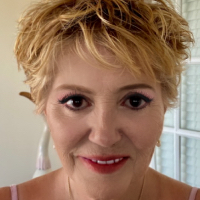
Mary describes her style as warm and interactive. She aims to treat people with respect, sensitivity, and compassion while tailoring sessions to each person’s needs. Conversations often combine practical skill-building with space to process strong feelings.
Her work draws on client-centered methods, cognitive behavioral ideas, mindfulness, dialectical behavior therapy techniques, and relationship-focused tools. She also uses motivational interviewing and solution-focused strategies when helpful. These approaches guide concrete steps, coping skills, and changes in everyday thinking and behavior.
If someone is ready to try therapy, Mary offers support aimed at empowerment and clearer choices. She encourages people who feel overwhelmed to take a first step and schedule a conversation about their goals.
How Mary uses therapy approaches online
Client-centered therapy focuses on listening and understanding each person’s experience. The therapist follows the client’s lead, reflects what is said, and supports people in finding their own answers. This approach helps when someone needs a supportive, empathetic space to talk through difficult emotions.Cognitive Behavioral Therapy, or CBT, teaches practical ways to notice unhelpful thoughts and change behaviors that keep problems going. It is often used for anxiety, depression, stress, and some eating concerns where skills and homework can lead to visible changes.
Dialectical Behavior Therapy, DBT, offers skills for emotion regulation, distress tolerance, and improved relationships. These techniques can help when intense feelings, anger, or relationship conflicts make everyday life harder.
Choosing the right approach is a collaborative process. Mary will work with each person to decide which methods fit their goals, needs, and preferences. She may combine elements from different approaches and adjust plans over time based on what helps most.
Online therapy can make it easier to fit sessions into a busy life, reduce travel time, and allow for shorter check-ins or longer meetings as needed. The original biography does not list specific session formats, so confirm the available options before booking. The focus is on practical work that fits daily routines and helps people use new skills between sessions.
Frequently asked questions
What concerns does Mary commonly help with?
Mary works with a wide range of issues including depression, anxiety, trauma and abuse, grief, eating and substance-related concerns, relationship problems, parenting stress, and career or life transitions.
What is her therapeutic style like?
Her style is warm and interactive, blending listening with practical skill-building. Sessions are tailored to the person and often focus on coping strategies and clearer thinking.
How much experience does she have?
She has 26 years of clinical experience practicing in multiple states and settings, including community health, hospitals, hospice, schools, and inpatient mental health.
What credential does she hold and where is she based?
Mary holds an LCSW, Licensed Clinical Social Worker, with licensure in North Carolina and practices from that state.
Are sessions offered in other languages or countries?
Sessions are offered in English and Mary accepts international clients.
What session formats are available?
The original profile does not list specific session formats. Please confirm current session options with the site or when booking.
How are fees handled?
Cost varies with location and therapist availability and sessions use a subscription that can be canceled at any time.
How do I begin working with her?
Start by selecting the Start Therapy button, completing a short matching questionnaire, and scheduling according to therapist availability.