- Experiential approach
- Person centered
- Florida LMHC
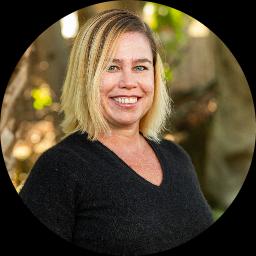
About Meaghan
Campbell draws on experiential methods that emphasize what happens in the present moment. She also uses techniques from cognitive behavioral therapy, mindfulness, motivational interviewing, and client-centered approaches to tailor sessions to each person. Conversations tend to be direct and focused on skills you can use between meetings.
Her background includes supporting people in inpatient settings, working with incarcerated individuals, and using animals as supplemental therapeutic tools. That range has shaped a practice that values practical coping strategies and rebuilding daily routines. She encourages clients to view their experiences as sources of strength when possible.
Campbell prioritizes a person-centered relationship and asks for feedback about what helps and what does not. She invites open, honest conversation while gently introducing new perspectives and tools. Her goal is to provide education, support, and confidence so clients can pursue meaningful change.
Outside of sessions she keeps current by attending trainings, reading, and consulting with peers. She describes counseling as a collaborative process and welcomes people who want to work toward clearer goals, better coping, and more satisfying day-to-day life.
Experiential and skills-based approaches for online work
Meaghan uses Acceptance and Commitment Therapy and Cognitive Behavioral Therapy in ways that translate well to remote or scheduled work. ACT focuses on clarifying values and taking small steps toward a meaningful life while learning to accept difficult thoughts and feelings. It can help with anxiety, depression, and coping with life changes. CBT looks at how thoughts, feelings, and behaviors interact and teaches concrete strategies to reduce unhelpful patterns and manage symptoms.Finding the right approach is part of the process. She works collaboratively to figure out what fits your goals and preferences, mixing ACT, CBT, mindfulness, and person-centered techniques as needed. Clients help set priorities and give feedback so the work stays relevant and practical.
Session formats are not listed in the biography, so confirm current options before booking. Online therapy can make it easier to fit sessions into busy schedules, reduce travel time, and allow shorter check-ins when needed. It also supports continuing work between in-person visits when that arrangement suits your life.
Frequently asked questions
What kinds of problems does she address?
She helps people with stress, anxiety, depression, trauma and abuse, relationship and intimacy issues, parenting and family concerns, substance and impulsive behaviors, bipolar and other mood concerns, grief, sleep problems, self-esteem, career stress, and ADHD among other areas.
How would you describe her therapeutic style?
Her style is experiential and person-centered, focusing on present-moment work and practical skills. She blends approaches like cognitive behavioral therapy, mindfulness, acceptance and commitment therapy, and motivational interviewing to match each person's needs.
What is her professional background?
She has worked since 2014 in a variety of settings, including inpatient facilities and correctional environments, and has experience using animals as supplemental therapeutic tools.
Where is she located and what credential does she hold?
She is licensed in Florida as an LMHC - Licensed Mental Health Counselor - and practices from that state.
Which languages are sessions offered in?
Sessions are offered in English.
Can people outside the U.S. work with her?
She is not currently accepting international clients.
How are fees and billing handled?
Cost varies with location and therapist availability; sessions use a subscription that can be canceled at any time.
How do I begin working with her?
Click the Start Therapy button, complete a short matching questionnaire, and schedule according to therapist availability.