- Trauma and abuse support
- Skills-based strategies
- Experience with addictions
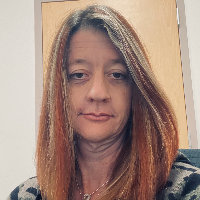
About Megan
With ten years of experience, she draws from Cognitive Behavioral Therapy and Dialectical Behavior Therapy to teach skills for coping and emotional regulation. Mindfulness techniques and motivational interviewing also appear in her approach to support motivation and present-moment awareness. Sessions focus on concrete tools you can use between meetings.
Megan’s background includes work in inpatient hospital settings and community mental health programs. That experience includes individual and group counseling and roles within partial hospitalization and intensive outpatient programs. She brings familiarity with both mental health and substance use challenges.
In sessions she offers skills training alongside conversation. Expect a mix of symptom-focused strategies and reflective work about patterns such as codependency, control issues, or shame. Practical goals like managing panic attacks, reducing substance use, and improving communication are common focal points.
She accepts international clients and practices in Virginia as a Licensed Professional Counselor. If you want to explore therapy for ADHD, postpartum depression, bipolar mood concerns, or career and financial stress, she can help you clarify goals and next steps.
How her approaches fit into online work
Megan commonly draws on Cognitive Behavioral Therapy and Dialectical Behavior Therapy in her work. CBT focuses on identifying unhelpful thoughts and testing them against reality, with concrete exercises to change patterns and reduce symptoms like panic and low mood. DBT emphasizes emotion regulation, distress tolerance, and interpersonal effectiveness, teaching clear skills to manage intense feelings and reduce impulsive behavior.Choosing the right approach is a collaborative step. Megan will work with each person to decide which methods match their needs and goals. She often blends techniques, adjusting the balance of skills training, mindfulness practice, and motivational strategies as the work progresses.
Confirm the available session options before booking since the biography does not list formats. Online therapy can make it easier to fit sessions into a busy week, reduce travel time, and allow quicker check-ins when needed. It also makes consistent work with a licensed professional more practical across locations. Discuss scheduling preferences and any practical needs during the matching process so sessions can align with everyday life.
Frequently asked questions
What concerns does she help with?
She works with stress, anxiety, addictions, trauma and abuse, depression, relationship and family issues, grief, and many related concerns such as panic, mood disorders, and postpartum depression.
How would you describe her therapeutic style?
She uses practical, skills-focused sessions that combine conversation with tools to manage emotions and behavior. Therapy often includes teaching and practicing coping strategies between sessions.
What is her professional background?
She has ten years of experience that include inpatient hospital settings and community mental health, plus work in partial hospitalization and intensive outpatient programs.
What credentials and location apply?
She is a Licensed Professional Counselor (LPC) practicing in Virginia.
Which languages and international arrangements are supported?
Sessions are offered in English and she accepts international clients.
What session formats are offered?
Please confirm current session options before booking, as the biography does not list specific formats.
How are sessions paid for and what does it cost?
Cost varies with location and therapist availability; sessions use a subscription that can be canceled at any time.
How do I begin if I want to work together?
Use the Start Therapy button, complete a short matching questionnaire, and schedule according to therapist availability.