- Relational focus
- Practical skills
- Trauma-informed care
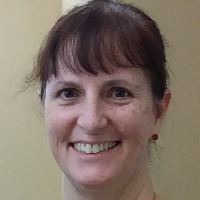
About Melinda
Her approach is relational and down-to-earth. She uses attachment-based ideas to look at how early relationships shape current patterns. She brings client-centered listening so people feel heard while they sort out hard choices. Cognitive Behavioral Therapy and Dialectical Behavior Therapy tools are used when practical skills can reduce intense feelings or disruptive behaviors.
Dr. Coker trained in Miami, Florida, and has worked across many settings including inpatient drug treatment, high school counseling, outpatient psychotherapy, women's prison programs, drug court treatment, and private practice. That wide experience informs a flexible way of working with different life situations. She emphasizes clear boundaries and helping people identify their emotional needs so they can make healthier decisions.
Sessions focus on real problems and usable skills. She sometimes uses psychodramatic and sociometric methods as relational ways to try out new behaviors and insights. Her style balances directness with support so clients can build steadier ways of coping.
People interested in starting are invited to ask questions and describe what they hope to change. Dr. Coker aims to create a practical, respectful space for that work to begin.
How these approaches translate to online work
Attachment-Based Therapy looks at how early bonds shape current relationships. Online sessions can be used to notice patterns in relationships and practice new ways of relating in real time. Client-Centered Therapy emphasizes being heard and respected; in online conversations the therapist focuses on reflective listening and following the client's lead so goals emerge at the client's pace. Cognitive Behavioral Therapy (CBT) offers concrete tools to change unhelpful thoughts and behaviors, and can include homework or short skill practices between sessions.Finding the right mix of approaches is part of the work. The therapist collaborates with each person to choose methods that match their needs, goals, and comfort level. That means trying techniques, checking what helps, and adjusting the plan together rather than committing to a single method at the start.
Session formats are not listed here, so please confirm available options before booking. Online therapy can make it easier to fit sessions into busy days, reduce travel time, and offer shorter check-ins when needed. It can also allow people to work on relationship patterns and practice new skills from familiar surroundings. Licensed professionals will discuss how to structure sessions so they fit a person's routine and therapeutic goals.
Frequently asked questions
What concerns does Dr. Coker address?
She helps with stress, anxiety, depression, addictions, grief, and trauma and abuse, plus relationship and intimacy issues.
What is her therapy style like?
Her style is relational and straightforward. She uses listening, skill-building, and clear boundary work so people can make healthier choices.
How much clinical experience does she have?
She has over 32 years of experience across settings such as inpatient drug treatment, high school counseling, outpatient care, women's prison programs, and private practice.
What credentials and region apply to this therapist?
She holds the LMFT credential and is licensed in Florida as a marriage and family therapist and as a psychologist.
Which languages and international work does she support?
Sessions are offered in English and she accepts international clients.
What session formats are available?
Session formats are not specified here; please confirm the current options when you book to learn which formats are offered.
How does billing and cost work?
Cost varies with location and therapist availability; sessions use a subscription that can be canceled at any time.
How do I begin working with her?
Click the Start Therapy button, complete a short matching questionnaire, and schedule according to therapist availability.