- Trauma and abuse focus
- Practical coping skills
- Collaborative approach
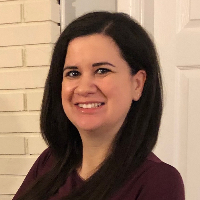
About Meryl
With 12 years of experience, she draws from several approaches to tailor care to each person’s needs. Sessions focus on developing coping skills, gaining insight, and finding concrete steps forward. She aims to be active in therapy rather than simply listening, guiding people toward lasting change.
Her background includes a Bachelor’s degree in Psychology and a Master’s degree in Counseling Psychology from the University of West Florida. She has worked with people facing grief, caregiving stress, chronic illness, codependency, and substance concerns. She has also supervised teams of clinicians in outpatient settings.
Meryl uses methods such as Cognitive Behavioral Therapy, Dialectical Behavior Therapy, Eye Movement Desensitization and Reprocessing, Mindfulness Therapy, Motivational Interviewing, and Solution-Focused techniques. She combines these tools with straightforward conversation to help people address symptoms and tough life moments.
People who come to her typically leave with concrete coping strategies and clearer next steps. She emphasizes practical work in sessions so skills carry over into everyday life. Meryl looks to build a collaborative relationship based on honesty and steady support.
How certain approaches translate to online care
CBT, or Cognitive Behavioral Therapy, focuses on identifying unhelpful thoughts and testing them with practical experiments. It is often used for anxiety, depression, sleep problems, and stress management. DBT, or Dialectical Behavior Therapy, teaches concrete skills for emotional regulation, distress tolerance, and improving communication. It can help with intense emotions, anger, and relationship struggles. EMDR, Eye Movement Desensitization and Reprocessing, is a trauma-focused method that works by processing distressing memories and reducing their emotional charge; it is commonly used for trauma and abuse concerns.Finding the right approach is a collaborative process. The therapist will talk with the person about goals, past experiences, and preferences. Together they decide which methods to try and adjust the plan as progress is made.
Confirm the session formats before booking since formats were not specified in the biography. Online work can make it easier to fit therapy into a busy life by reducing travel and allowing quicker check-ins. It can also allow choice in how a session is structured - shorter coaching-style meetings, longer therapy sessions, or a mix depending on need. Licensed professionals use these approaches to help clients practice new skills between meetings and apply changes to everyday routines.
Frequently asked questions
What concerns does Meryl help with?
Meryl supports people with stress, anxiety, trauma and abuse, depression, relationship and family issues, addictions, grief, and related concerns such as parenting, sleep, anger, and self-esteem.
How would you describe her therapeutic style?
She is direct and compassionate. Sessions focus on clear goals, practical coping skills, and honest conversation rather than only talk.
What experience does she bring?
She has 12 years of clinical experience and has supervised outpatient clinician teams. Her work has included trauma, grief, health-related concerns, and substance issues.
What credentials and location apply to this therapist?
She is a Licensed Mental Health Counselor, LMHC, practicing in Florida.
Which languages are supported for sessions?
Sessions are offered in English only.
Can international clients work with her?
She does not accept international clients at this time.
How are fees and billing handled?
Cost varies with location and therapist availability; sessions are delivered through a subscription model that can be canceled at any time.
How do I begin working with this therapist?
Choose the Start Therapy button, fill out a short matching questionnaire, and schedule sessions based on the therapist's availability.