- Compassionate
- Goal oriented
- Collaborative
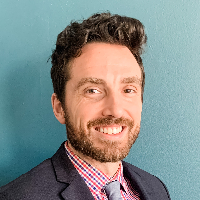
About Michael
He draws on practical methods such as Cognitive Behavioral Therapy and Client-Centered approaches to help people notice unhelpful patterns and try different actions. He also uses Existential ideas to look at meaning and choice when life feels confusing. Sessions focus on what matters most to the person and on small, realistic steps toward change.
Michael’s training includes a master’s degree from the University of Central Florida earned in 2011. Over the years he has worked in many clinical settings and with a wide range of concerns, including mood disorders, trauma, and relationship struggles. He also works in roles that keep him connected to current assessment tools and treatment ideas.
His style is compassionate and collaborative. He aims to build a strong working relationship and to tailor goals to each person’s life. That means therapy moves at a pace the client can manage and focuses on skills and insights they can use between sessions.
Michael has experience offering telehealth for several years and supports people who live in Pennsylvania and beyond. Before booking, readers should confirm current session formats and scheduling options to find what fits their needs.
How approaches translate to online therapy
Client-Centered Therapy focuses on listening and responding to the person’s needs. It emphasizes respect, empathy, and working at the client’s pace, which can help people feel heard in sessions whether they are meeting in person or online.Cognitive Behavioral Therapy (CBT) looks at thoughts and behaviors and tests small changes to see what helps. It is useful for anxiety, depression, and stress because it breaks big problems into manageable steps and skills that can be practiced between sessions.
Existential Therapy explores meaning, values, and choice when life feels uncertain. It can help people clarify what matters to them and make intentional decisions about next steps.
Finding the right approach is part of the process. The therapist will work together with each person to choose methods that fit their goals and preferences. That collaboration helps shape what is tried first and how therapy changes over time.
Many people find online therapy helps fit counseling into a busy life. It can simplify scheduling, reduce travel time, and make it easier to continue care during life transitions. Because session formats are not fully listed in the biography, confirm the current online and in-person options before booking so you can pick what fits your routine.
Frequently asked questions
What concerns does Michael focus on?
He supports people dealing with stress, anxiety, depression, trauma and abuse, relationship and intimacy issues, grief, eating concerns, parenting strain, and related areas listed in his profile.
What is his general approach in sessions?
He uses a compassionate, client-centered style and works collaboratively to set achievable goals. Sessions typically blend practical skill building with discussions about meaning and choices.
How much clinical experience does he have?
He has 15 years of experience in clinical settings and has supported people with a wide range of mental health concerns.
What credentials and location are listed?
He holds the LMHC and LPC credentials and practices in Pennsylvania.
Which languages are sessions offered in?
Sessions are offered in English, and he also accepts some international clients.
What session formats are available?
The original biography notes telehealth experience but does not list every format. Confirm current session options with the matching process before booking.
How does pricing work?
Cost varies with location and the subscription model used; the subscription can be canceled at any time.
How do I begin working with him?
Start by selecting the Start Therapy button, completing a short matching questionnaire, and then scheduling according to the therapist's availability.