- Trauma informed care
- Practical coping skills
- Collaborative goal setting
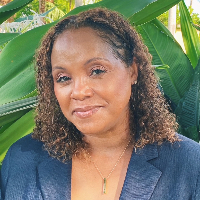
About Nadine
Her style emphasizes open listening and clear communication. Sessions focus on understanding what feels stuck and finding practical steps forward. She uses client-centered and attachment-aware methods to build trusting therapeutic work and draws on cognitive behavioral and mindfulness techniques to address symptoms and daily struggles.
Dr. Greene has worked across many concerns, including parenting stress, relationship and family problems, grief, workplace issues, and mood concerns such as depression and bipolar challenges. She also supports people coping with post-traumatic stress, domestic violence histories, and compassion fatigue. Her background includes long-term clinical practice and direct work with diverse clients.
In sessions she looks for the roots of repeating patterns and helps people test new ways of responding. Conversations can include skills practice, emotion-focused processing, and mindful strategies for managing intense moments. Progress is framed as collaborative - the therapist and client set goals and try approaches that fit daily life.
People seeking clearer communication, better emotional regulation, or recovery after painful experiences may find her approach practical and steady. To begin, readers are encouraged to confirm current session options and scheduling details before booking.
How her approaches translate to online care
Attachment-Based Therapy focuses on patterns in close relationships and how early bonds shape current trust and closeness. It helps people understand why they react the way they do and practices new ways of relating to others.Client-Centered Therapy centers the conversation on the person's own goals and perspective. The therapist listens closely, offers empathic reflection, and supports the client's decisions about what to try next.
Cognitive Behavioral Therapy (CBT) looks at the links between thoughts, feelings, and actions and teaches practical skills to change unhelpful patterns. It is useful for anxiety, depression, and stress-related problems.
Finding the right approach is part of the work. The therapist will discuss options and collaborate with each person to choose methods that match their needs, goals, and preferences. This can include trying different techniques and tracking what helps most.
Online therapy can make it easier to fit sessions into a busy life by removing commute time and offering more flexible scheduling. It can also allow for shorter check-ins or sessions that do not require being on camera if that helps someone focus. Confirm the available session formats before booking so arrangements match personal needs and daily routines.
Frequently asked questions
What concerns does she help with?
She works with stress, anxiety, trauma and abuse, depression, self-esteem, relationship and family problems, grief, parenting stress, workplace issues, and related concerns.
What is her therapeutic style like?
Her style is client-centered and direct, with an emphasis on open listening, practical steps, and mindful strategies to manage emotions and behavior.
How much clinical experience does she have?
She has 24 years of experience in clinical practice working with a wide range of concerns and client backgrounds.
What credentials and location are listed?
She is a Licensed Clinical Social Worker (LCSW) based in Florida and holds the professional credentials provided here.
In which language are sessions offered?
Sessions are offered in English, and she accepts international clients.
What session formats are available?
Specific session formats are not listed here; please confirm current session options with the service before booking.
How does payment and cost work?
Cost varies with location and therapist availability; sessions use a subscription that can be canceled at any time.
How do I begin working with her?
Use the Start Therapy button, complete a short matching questionnaire, and schedule according to therapist availability.