- Trauma-informed approach
- Values-based care
- Skills for coping
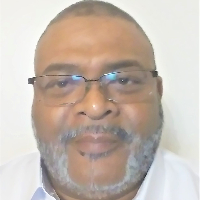
About Opree
He meets people where they are and listens first. Sessions tend to be client-centered and collaborative, with the therapist offering practical tools and skills people can try between visits. There is an emphasis on respect, sensitivity, and avoiding stigmatizing labels.
Joyner combines several evidence-based approaches to tailor work to each person. He draws on cognitive behavioral strategies to address unhelpful thinking and behavior, dialectical skills for emotion regulation and distress tolerance, and attachment-focused ideas to improve relationship patterns. Acceptance and Commitment Therapy also appears in his toolkit for clarifying values and taking values-based action.
His past work has included people facing co-occurring mental health and substance use challenges, grief and loss, post-traumatic stress, and many common concerns such as anxiety, depression, and low self-esteem. He also supports people dealing with family conflict, caregiving stress, and life transitions.
His aim is to help people find practical next steps toward greater self-direction and well-being. Prospective clients are encouraged to begin by using the site's matching flow so sessions can be scheduled according to therapist availability.
How online therapy can use practical approaches
Acceptance and Commitment Therapy (ACT) helps people get clearer about what matters to them and then take small steps toward those values. It is often used when someone feels stuck, uncertain about direction, or overwhelmed by painful thoughts and feelings.Cognitive Behavioral Therapy (CBT) focuses on identifying unhelpful thoughts and behaviors and testing new ways of responding. It is commonly used for anxiety, depression, stress, and many daily difficulties where changing patterns can bring relief.
Dialectical Behavior Therapy (DBT) brings skills for managing intense emotions, tolerating distress, and improving relationships. Those skills can be useful when emotions feel overwhelming or when communication repeatedly breaks down.
Finding the right approach is part of the work together. The therapist will listen to a person’s goals, challenges, and preferences and then suggest methods to try. That plan can change as progress is made, with the client and therapist deciding what helps most.
The biography does not list which online session formats are offered, so confirm available options before booking. Online therapy can still make fitting sessions into a busy life easier by reducing travel time, allowing shorter check-ins when needed, and making it simpler to schedule appointments around work or caregiving. Licensed professionals can adapt exercises, homework, and skills practice to work well in remote sessions.
Frequently asked questions
What concerns does he help with?
He works with a wide range of concerns including addictions, anxiety, depression, trauma and abuse, relationship and intimacy issues, grief, self-esteem, eating and sleeping problems, and bipolar disorder.
What is his therapeutic style?
His style is empathetic, client-centered, humanistic, and solution-focused. Sessions combine listening with practical tools and collaborative goal-setting.
How much clinical experience does he have?
He holds a Licensed Clinical Social Worker credential and has five years of documented experience as a psychotherapist.
Where is he based and what credentials does he hold?
He practices in Florida and is licensed as an LCSW in that state.
Which languages are supported?
Sessions are offered in English and he accepts international clients.
What session formats are available?
The original biography does not list specific session formats. Please confirm current session options before booking.
How is cost handled?
Cost varies with location and therapist availability; sessions use a subscription that can be canceled at any time.
How do I begin working with him?
Use the Start Therapy button, complete a short matching questionnaire, and schedule sessions based on the therapist's availability.