- Practical goal-focused help
- Strengths-based approach
- Experience with trauma
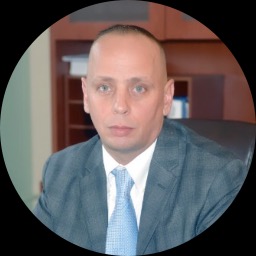
About Paul
He works from the idea that each person knows their life best. Sessions focus on identifying strengths, setting clear goals, and building skills that fit day-to-day life. Paul uses straightforward conversation and active listening to help clients find what moves them forward.
His approach blends client-centered care with cognitive behavioral techniques and mindfulness practices. That means talking through what’s happening now, spotting unhelpful thinking patterns, and trying small behavior changes. He also draws on motivational interviewing and relationship work when people want to change habits or repair communication.
With 15 years of experience as an LMHC - Licensed Mental Health Counselor - Paul has worked with people across many concerns related to addiction, family of origin wounds, attachment struggles, and sexual culture issues such as BDSM and kink. He describes himself as supportive and practical, focusing on achievable steps rather than labels.
People can expect clear talk about goals, homework that fits into normal routines, and an emphasis on strengths. Paul offers sessions in English and works with international clients; prospective clients should confirm current session options when they book.
How Paul blends therapy approaches for online care
Client-Centered Therapy focuses on listening and following the client's goals. The therapist creates space for people to tell their story and decide what matters most, which can help when stress or trauma feel overwhelming.Cognitive Behavioral Therapy, or CBT, looks at the link between thoughts, feelings, and actions. It is practical work for managing anxiety, depression, addictive urges, and unhelpful thought patterns through small experiments and skill practice.
Finding the right approach is part of the work together. Paul will discuss goals, preferences, and the challenges you bring, then choose methods that fit. This is a collaborative process aimed at clear, manageable steps rather than one-size-fits-all solutions.
Online therapy can make it easier to fit sessions into a busy life, reduce travel time, and allow for more consistent check-ins. Because the biography does not list specific session formats, confirm the available options when you book so you know what will be offered. Many people find that remote sessions help maintain momentum between appointments and support steady progress without rearranging a whole day.
Frequently asked questions
What concerns does Paul commonly address?
He helps people with stress, anxiety, addictions, depression, trauma and abuse, grief, relationship and intimacy issues, parenting concerns, ADHD, bipolar mood challenges, and related problems.
How would you describe his therapeutic style?
Paul uses plain, collaborative conversation and active listening. He focuses on goals, practical steps, and building skills that fit into everyday life.
What experience does he bring to therapy?
He has 15 years of professional experience working with a range of concerns including addictions, attachment issues, family of origin problems, and communication difficulties.
What are his credentials and where is he based?
Paul holds the LMHC credential as a Licensed Mental Health Counselor and practices in Florida.
Which languages are sessions offered in?
Sessions are offered in English, and he accepts international clients.
What session formats does he provide?
Current session formats are not listed in this biography; please confirm the available formats when booking to ensure they meet your needs.
How are fees and billing handled?
Cost varies with location and therapist availability; sessions use a subscription that can be canceled at any time.
How do I start working with him?
Begin by selecting the Start Therapy button, completing a short matching questionnaire, and scheduling according to therapist availability.