- Client-centered care
- Evidence-based techniques
- Strengths focused
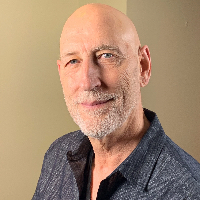
About Philip
He emphasizes strengths and goals rather than labels. Sessions look at what is happening now and what small shifts could improve daily life. Philip draws on many evidence-based techniques to tailor an approach that fits each person's needs and pace.
Philip has 11 years of experience working in outpatient and residential settings. He has recent experience as a substance abuse counselor and has supported people through addiction and related issues. That background informs how he approaches co-occurring concerns like mood, stress, and relationship strain.
As a parent to an LGBTQ+ child, he notes the challenges people face around identity and social change. Philip aims to create an understanding environment regardless of where someone comes from or who they are. He works with individual adults to address topics such as anxiety, depression, grief, and trauma and abuse.
Before social work, he worked in television news which shaped his attention to personal stories and empathy. His training includes a Master’s Degree in Social Work earned in 2009, and he holds LCSW credentials in Illinois and Florida. Philip encourages people to try therapy with patience and curiosity and to use the present moment to begin change.
How evidence-based approaches guide online work
Philip describes using several evidence-based therapeutic techniques to guide sessions. Cognitive behavioral approaches focus on identifying unhelpful thinking and testing new behaviors to reduce anxiety, depression, and stress. Acceptance and commitment ideas help people notice painful thoughts without being driven by them, so they can act on values and meaningful goals.He also draws on motivational interviewing methods to help people find internal reasons to change, which can be useful for addictions and motivation around life changes. These approaches are practical and skill-focused, aimed at helping people try small experiments between sessions.
Finding the right blend of methods is part of the process and will be decided together. The therapist works collaboratively to match techniques to your goals, preferences, and what feels manageable. You and he will review what helps and adjust the plan over time.
The biography does not list specific online session formats, so confirm current options before booking. In general, online therapy can make it easier to fit appointments into a busy schedule, reduce travel time, and allow shorter check-ins when needed. Licensed professionals can use remote sessions to teach coping skills, work through difficult feelings, and support plans for change without requiring an in-person visit.
Frequently asked questions
What problems does he help with?
He works with adults on concerns like addictions, anxiety, depression, stress, grief, trauma and abuse, relationship and self-esteem issues, bipolar mood concerns, and career-related stress.
What is his therapy style like?
Philip uses a client-centered, strengths-focused style that emphasizes practical goals and strategies. He collaborates with each person to find what works in their life.
How much experience does he have?
He has 11 years of clinical experience working in both outpatient and residential treatment settings, including recent work as a substance abuse counselor.
What credentials and region are associated with this therapist?
Philip holds a Master’s Degree in Social Work and is an LCSW with licensure in Illinois and Florida; he practices from Florida.
Can sessions be scheduled in languages other than English?
Sessions are offered in English.
What session formats are offered?
The original biography does not list specific session formats; please confirm current session options before booking.
How are fees handled?
Cost varies with location and therapist availability; sessions use a subscription that can be canceled at any time.
How do I begin working with him?
Select the Start Therapy button, complete a short matching questionnaire, and schedule according to the therapist's availability.