- Strengths based
- Trauma informed
- Relationship focus
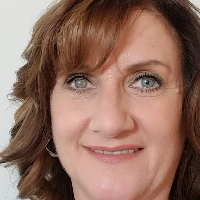
About Phyllis
Phyllis builds on what’s already working for a person. She listens for values, goals, and the everyday actions that can be adjusted to ease distress. Sessions include straightforward conversations about patterns, options for change, and small experiments to try between meetings.
Her practice draws on a mix of approaches that match the client’s needs. She often uses client-centered techniques to center the person’s experience and cognitive behavioral strategies to address unhelpful thoughts and behaviors. She also integrates mindfulness practices to support emotional regulation and the Gottman Method when relationship issues are a main focus.
With five years of experience she has supported people facing depression, grief, addictions, parenting stress, and identity questions including LGBT concerns. She also works with people managing ADHD, bipolar challenges, and life transitions. She pays attention to family of origin and attachment issues when they affect current relationships.
Phyllis practices in North Carolina and offers therapy in English. To begin, a prospective client follows the site Start Therapy process to match and schedule sessions based on her availability.
Approaches that guide online work and problem-solving
Phyllis commonly integrates client-centered therapy and cognitive behavioral therapy when working with people online. Client-centered therapy focuses on listening closely, reflecting what matters to a person, and using their own goals as the roadmap. Cognitive behavioral therapy helps identify unhelpful thought and behavior patterns and tests practical changes to improve mood and functioning.She also draws on mindfulness practices to help calm the body and attention when emotions run high, and the Gottman Method when relationship skills and communication are central concerns. Each approach is described and applied in everyday terms so clients can try techniques between sessions.
Finding the right approach is part of the process. The therapist works together with each person to pick methods that match their goals, preferences, and the situation at hand. That collaborative planning can include trying different strategies and adjusting the focus over time.
Session formats are not specified in the biography, so please confirm current options before booking. Online therapy can make it easier to fit sessions into a busy week, reduce travel time, and allow shorter check-ins when schedules are tight. It can also make it simpler to continue work during relocations or life changes while maintaining the therapeutic relationship.
Frequently asked questions
What kinds of concerns does Phyllis work with?
She helps people with stress, anxiety, depression, addictions, trauma and abuse, relationship and parenting issues, grief, and self-esteem concerns.
What is her therapeutic style like?
Her style is collaborative and strengths-based. She uses practical conversation, goal-setting, and small between-session experiments to encourage change.
What experience does she bring?
She has five years of clinical experience supporting individuals and couples through life changes and complex concerns.
What credentials and where is she licensed?
She holds a Licensed Marriage and Family Therapist credential, listed as LMFT, and practices in North Carolina.
Which languages are available for sessions?
Sessions are offered in English.
Does she work with international clients?
International clients are not currently accepted.
How is cost handled?
Cost varies with location and therapist availability; sessions use a subscription that can be canceled at any time.
How do I get started with therapy?
Select the Start Therapy button, complete a short matching questionnaire, and schedule according to therapist availability.