- Trauma and abuse focus
- Client-centered care
- Goal oriented
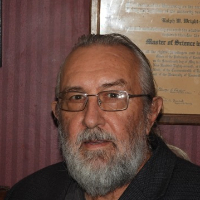
About Ralph
Ralph uses straightforward, respectful listening to help people notice their strengths. He encourages clients to tell their story and to set realistic life goals. He emphasizes practical steps people can take to build on what already works for them.
His training includes a Master of Divinity (MDiv) and a Master of Science in Social Work (MSSW). He is also a member of the Academy of Certified Social Workers, ACSW, and holds an NC LCSW license. Ralph has worked with children, adolescents, and individuals affected by substance use and family problems in a range of settings.
In sessions he blends client-centered conversation with problem-solving tools. He often uses techniques from cognitive behavioral approaches and solution-focused planning to address immediate concerns. Motivational interviewing and existential questions are part of how he helps people find meaning and motivation.
Ralph views healing as a whole-person process that includes emotional, physical, intellectual, and spiritual aspects. He supports clients who want to reduce distress, repair relationships, or build healthier routines. People who choose him can expect calm, practical guidance and an emphasis on personal responsibility and growth.
Using therapy approaches online to address real problems
Ralph draws on client-centered therapy to create a conversational, respectful space where people tell their story and identify what matters most to them. This approach is about listening, reflecting, and helping clients clarify goals and values.He also uses cognitive behavioral therapy, which looks at how thoughts, feelings, and behaviors connect. CBT offers practical techniques for reducing anxiety, managing depression, and changing unhelpful patterns. Solution-focused methods help people set small, achievable goals and build momentum toward change.
Choosing the right approach is a collaborative process. The therapist will talk with the client about goals, preferences, and what has or hasn’t helped before, then try methods that fit those needs. Adjustments happen over time based on what the client finds most useful.
If you are considering online sessions, confirm the current session formats before booking since options were not specified in the biography. Many people find online sessions helpful for fitting therapy into a busy life, for shorter check-ins between in-person visits, or when a quieter setting is needed. Ask about scheduling routines and how session timing can be arranged to match work, school, or caregiving responsibilities.
Frequently asked questions
What concerns does Ralph Murphy address?
He works with stress, anxiety, depression, addictions, trauma and abuse, parenting issues, relationship and grief concerns, anger, and LGBT-related topics. Additional focuses include adoption and foster care, autism and Asperger syndrome, drug and alcohol addiction, guilt and shame, men's issues, post-traumatic stress, and self-harm.
What is his general therapy style?
He uses a client-centered approach that emphasizes listening and personal narrative, combined with practical techniques from cognitive behavioral and solution-focused methods. Motivational interviewing and existential discussion are also part of his toolkit.
How long has he been practicing?
He has 30 years of clinical experience working in a variety of settings with children, adolescents, and individuals affected by family problems and substance use.
What are his credentials and where is he located?
He holds a Master of Divinity (MDiv), a Master of Science in Social Work (MSSW), and is a Licensed Clinical Social Worker (LCSW) in North Carolina. He is a member of the Academy of Certified Social Workers, ACSW.
Which languages are supported?
Sessions are offered in English.
Can people outside the U.S. work with him?
International clients are not currently accepted.
How are session costs handled?
Cost varies with location and therapist availability; sessions use a subscription that can be canceled at any time.
How do I begin if I want to work with him?
Click the Start Therapy button, complete a short matching questionnaire, and schedule according to therapist availability.