- Warm interactive style
- Trauma and abuse focus
- Solution-focused tools
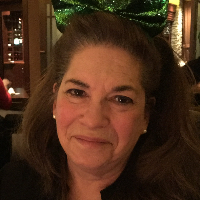
About Randye
Her approach centers on listening without judgment and tailoring sessions to each person's needs. She draws from client-centered methods to create a respectful space where people can talk through what matters most to them. Cognitive Behavioral Therapy tools are used when helpful to change unhelpful thinking and behavior patterns.
Randye also integrates psychodynamic ideas to look at patterns that repeat across relationships and life stages. Solution-focused strategies help people identify small, achievable changes to improve daily functioning. She may bring in mindfulness, relaxation, or emotional freedom technique tapping when appropriate.
She has supported people through adoption and foster care issues, blended family challenges, aging and geriatric concerns, immigration stress, and caregiving fatigue. Other focuses include self-esteem, career shifts, social anxiety, sleeping problems, and coping with life changes.
Randye practices in Maryland and holds the LCSW-C credential, which denotes her license in Maryland. Sessions are conducted in English. To begin, prospective clients complete a brief matching questionnaire and schedule according to the therapist's availability.
How these approaches guide online work
Client-Centered Therapy focuses on creating a respectful, listening-based relationship so people can voice their concerns and make choices. It helps when someone needs an empathetic space to sort feelings, decide next steps, or gain confidence.Cognitive Behavioral Therapy (CBT) looks at the links between thoughts, feelings, and behavior. It offers straightforward tools for anxiety, depression, sleep problems, and phobias by practicing new ways of thinking and acting between sessions.
Psychodynamic ideas help identify recurring patterns in relationships and family history that affect current behavior. This can be useful for people wanting to understand why certain issues repeat across situations.
Finding the right approach is part of the work together. The therapist will talk with each person about goals and preferences and then try methods that fit those needs. The process is collaborative and adjusts as progress is made.
Confirm which online session formats are available before booking, as the biography does not list specific options. Online therapy can make it easier to fit sessions into a busy life, shorten commute time, and allow follow-up or brief check-ins around work or caregiving demands. It can also make it simple to use written tools and worksheets between meetings to practice skills learned in sessions.
Frequently asked questions
What concerns does Randye often help with?
She works with stress, anxiety, depression, trauma and abuse, grief, relationship and intimacy issues, parenting challenges, sleep problems, anger, and career or life-change concerns.
What is her therapy style like?
Her style is warm and interactive, emphasizing respect and sensitivity. Sessions combine listening with practical steps tailored to each person's needs.
What experience does she bring?
Randye has 20 years of clinical experience helping people navigate emotional pain, family transitions, adoption and foster care matters, and longer-term mood or anxiety concerns.
What credentials and location are listed?
She holds LCSW-C, which is a Maryland clinical social work license, and she practices in Maryland.
Which languages are available for sessions?
Sessions are offered in English only and she is not accepting international clients.
What session formats are offered?
The original biography does not specify session formats; please confirm current session options before booking.
How are fees handled?
Cost varies with location and therapist availability, and sessions use a subscription that can be canceled at any time.
How do I begin working with her?
Click the Start Therapy button, complete a short matching questionnaire, and schedule sessions based on the therapist's availability.