- Client-centered care
- Short practical steps
- Values-based work
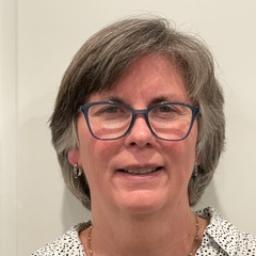
About Rebecca
Rebecca uses an integrative, client-centered way of working. That means sessions are shaped around the person in front of her rather than a single technique. She draws on Acceptance and Commitment Therapy, Cognitive Behavioral Therapy, and solution-focused ideas to tailor each plan. Conversations are collaborative and goal-oriented.
In sessions she helps people identify values, notice unhelpful patterns, and try new behaviors between meetings. She emphasizes building resilience and inner resources rather than blaming or pushing harder. Practical strategies and short experiments are used so change can show up in daily life.
Rebecca has five years of clinical experience and holds LPC credentials in Alabama and Virginia. She speaks English and works with adults on challenges like addiction, relationship strain, parenting stress, career issues, compassion fatigue, ADHD, and financial worries.
Her invitation is simple: start with one small step. The initial process includes a short matching questionnaire and scheduling a session that fits a person’s calendar. From there she and the client decide how to move forward together.
How her approaches guide online work
Rebecca commonly uses Acceptance and Commitment Therapy to help people clarify what matters most to them and take actions that reflect those values. ACT can be useful for anxiety, depression, and patterns that keep people stuck because it focuses on flexible responding rather than fighting every thought.She also draws on Cognitive Behavioral Therapy to help identify and change unhelpful thinking and behavior patterns. CBT is practical and problem-focused, which can help with panic, OCD symptoms, mood issues, and stress by teaching skills that can be practiced between sessions.
Finding the right approach is a collaborative process. She will work with each person to pick strategies that fit their goals, preferences, and life circumstances rather than insisting on one method. Together they review what helps and adjust the plan as needed.
If you are considering online sessions, confirm the specific session formats available before booking since the biography doesn’t list them. Online work can make it easier to fit counseling into a busy schedule, allow for shorter check-ins when needed, and remove travel time so appointments are easier to keep. Licensed professionals can use these conveniences to support steady progress without asking for major changes to daily routines.
Frequently asked questions
What concerns does she help with?
She supports people dealing with stress, anxiety, depression, grief, trauma and abuse, mood disorders, panic, OCD, relationship strain, addictions, parenting stress, ADHD, and related issues.
What is her therapeutic style like?
Her style is client-centered and collaborative, focusing on small practical steps and experiments that can be tried between sessions.
How much clinical experience does she have?
She has five years of experience working in counseling settings and with a range of common mental health concerns.
What credentials and region are associated with this therapist?
She is an LPC, licensed in Alabama and Virginia, and practices out of Alabama.
Are sessions available in other languages or for international clients?
Sessions are offered in English and international clients are not currently accepted.
What session formats are offered?
Please confirm current session options before booking, as the biography does not list specific session formats.
How are fees handled?
Cost varies with location and therapist availability; sessions use a subscription that can be canceled at any time.
How do I begin working with her?
Click the Start Therapy button, complete a short matching questionnaire, and then schedule according to the therapist's availability.