- Addiction support
- Anxiety and mood
- Trauma and grief
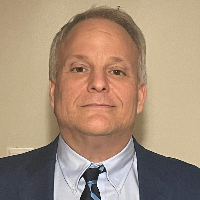
About Rodney
He uses evidence-based therapeutic techniques and adapts them to each person’s needs and values. Sessions are aimed at building practical skills for coping, improving sleep and relationships, and handling life changes. Rodney pays attention to how stress, grief, and career pressures affect mood and behavior.
Rodney emphasizes collaboration. He listens for what matters most to each person and helps set small, achievable goals. Work might include establishing new routines, learning ways to manage intense emotions, or creating strategies for relapse prevention and healthier eating habits.
He brings three years of clinical experience as an LCMHC - Licensed Clinical Mental Health Counselor - in North Carolina. That experience supports focused, hands-on work rather than long, abstract conversations. Rodney aims to help people notice progress and build on it.
People who choose him can expect straightforward guidance, practical tools, and an emphasis on personal strengths. He welcomes questions about his approach and encourages prospective clients to consider what changes they want to see before starting.
How evidence-based techniques work in online therapy
Rodney works from evidence-based therapeutic techniques that focus on skills people can practice between sessions. One common approach emphasizes learning coping skills for anxiety and anger - clients learn breathing, grounding, and thought-checking exercises to use when emotions spike. Another approach focuses on behavior and routine changes to address addictions, sleep issues, and eating concerns by building small, steady habits and relapse prevention plans.Deciding which approach to use is a collaborative process. The therapist will ask about current struggles, what has helped before, and personal goals, then try methods that match those needs. Progress is reviewed together and plans are adjusted as goals change.
If you are considering online sessions, confirm current session options before booking since formats are not specified here. Online work can make therapy easier to fit into a busy day, reduce travel time, and allow for shorter check-ins when schedules are tight. It can also let people continue care while traveling or living abroad, subject to licensing rules. The focus remains on practical tools and making therapy fit the demands of everyday life rather than on where the session happens.
Frequently asked questions
What concerns does Rodney commonly help with?
He works with people dealing with addictions, eating struggles, anger, anxiety, depression, trauma and abuse, grief, sleep problems, self-esteem, and related life changes.
What is his therapy style like?
Sessions focus on evidence-based techniques and practical steps. Conversations aim to produce actionable coping skills and clearer goals.
How much clinical experience does he have?
Rodney has three years of experience as an LCMHC in clinical practice in North Carolina.
Where is Rodney licensed and located?
He is licensed as an LCMHC in North Carolina and practices with that credential in that state.
Which languages can sessions be held in?
Sessions are offered in English.
Can people outside the United States work with him?
International clients are accepted, subject to licensing and regional rules that apply to cross-border care.
How does payment and cost work?
Cost varies with location and therapist availability; sessions use a subscription that can be canceled at any time.
How do I begin if I want to meet with him?
Use the Start Therapy button, complete the short matching questionnaire, and schedule according to therapist availability.