- Trauma and abuse
- Practical coping skills
- Attachment focus
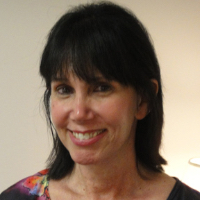
About Ronnie
She works with a wide range of concerns including anxiety, depression, trauma and abuse, addiction, bipolar disorder, grief, and relationship and intimacy-related issues. She also helps people handling parenting strain, caregiving stress, body image and eating concerns, and career-related pressures. Her background includes long experience in psychiatric hospital settings and private practice work in Florida.
Ronnie uses a collaborative, person-centered way of working. She helps clients connect past experiences with present patterns so those patterns can change. Sessions focus on building insight, strengthening self-esteem, and creating concrete coping skills that fit each person’s life.
Her approach draws on Attachment-Based Therapy, Cognitive Behavioral Therapy, Dialectical Behavior Therapy, Emotionally-Focused Therapy, and client-centered methods. She describes therapy as a guided exploration where clients take an active role in finding inner calm and clearer choices.
People who prefer practical tools and a steady, experienced guide tend to do well with her style. Her practice emphasizes steady progress, rebuilding trust in oneself, and learning habits that keep emotions from taking over.
Approaches used in online work and how they help
Attachment-Based Therapy focuses on patterns in relationships that shape how people feel and react. It helps people who struggle with trust, closeness, and emotional connection to understand those patterns and practice new ways of relating. Cognitive Behavioral Therapy (CBT) looks at how thoughts, feelings, and behaviors interact and teaches concrete skills to change unhelpful cycles; it is useful for anxiety, depression, and many day-to-day problems. Emotionally-Focused Therapy (EFT) emphasizes accessing and naming emotions to change how people connect and respond in important relationships and personal life.Finding the right approach is part of the work together. Ronnie will listen to your goals, preferences, and history and suggest what to try first. She treats therapy as a collaborative process and will check in to adjust methods if something isn’t fitting your needs.
Confirm the current session options before you book since this profile does not list specific formats. Many people find online therapy helpful because sessions can fit more easily into busy schedules, allow quieter surroundings when needed, and make it simpler to keep appointments during work or travel. A therapist can also tailor session length and focus to what each person needs on a given day, for example a shorter check-in or a longer skills session when required.
Frequently asked questions
What kinds of problems does Ronnie address?
She works with stress, anxiety, depression, trauma and abuse, addictions, bipolar concerns, relationship and intimacy issues, grief, and many life transitions and adjustment problems.
What is her general therapy style?
Her style is collaborative and person-centered. She helps clients link past experiences to current patterns and builds practical coping skills.
How long has she practiced?
She brings 30 years of clinical experience, including long-term work in psychiatric hospital settings and private practice in Florida.
What credentials does she hold and where is she based?
She is a Licensed Clinical Social Worker - LCSW - licensed in Florida and practices in that state.
Which languages are sessions offered in?
Sessions are offered in English, and she accepts international clients.
What session formats does she offer?
Please confirm current session formats before booking since specific formats are not listed in this profile.
How are fees and payment handled?
Cost varies with location and therapist availability; sessions use a subscription that can be canceled at any time.
How do I begin working with her?
Start by selecting the Start Therapy button, completing a short matching questionnaire, and scheduling according to therapist availability.