- Trauma and abuse
- Addiction recovery
- Skills for daily life
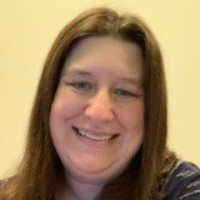
About Sabrina
She has worked in community mental health, emergency rooms, inpatient psychiatric units, and a VA Medical Center. That variety has shaped a straightforward style that fits people coming from different situations and levels of need. Sessions are collaborative and aimed at achievable goals rather than vague promises.
Sabrina draws on Client-Centered Therapy, Cognitive Behavioral Therapy (CBT), Dialectical Behavior Therapy (DBT), mindfulness techniques, and Motivational Interviewing. She uses these methods to help people identify unhelpful patterns, build coping skills, manage intense emotions, and strengthen motivation for change.
In the room she focuses on clear tools and step-by-step plans that people can use between sessions. That can mean practicing new coping skills, shifting thought patterns, or learning grounding and emotion regulation strategies. The aim is to reduce crisis moments and increase everyday functioning.
Sabrina believes recovery is a partnership and that people have the capacity to improve their lives. She works with adults who are recovering from psychiatric and addiction issues, and she supports those facing complex or overlapping challenges such as co-morbidity and dissociation.
How therapeutic approaches translate to online care
Client-Centered Therapy focuses on listening and meeting each person where they are. The therapist follows the person's lead, reflects their experience, and helps them set goals that feel meaningful. Cognitive Behavioral Therapy (CBT) looks at thoughts and behaviors that keep problems going and teaches concrete skills to change them. CBT is often used for anxiety, depression, and sleep problems. Dialectical Behavior Therapy (DBT) emphasizes emotion regulation, distress tolerance, and improved interpersonal skills. It can help when emotions feel overwhelming or when impulsive behaviors cause harm.Finding the right mix of approaches is part of the work together. Sabrina will collaborate with each person to try methods that match their goals and preferences. She adjusts strategies based on how someone responds and what fits their daily life.
Confirm the session formats before booking to know which online options are currently offered. Online care can make it easier to keep regular appointments, fit sessions into a busy schedule, and practice skills between meetings. It can also allow for shorter check-ins when time is limited, or audio-only meetings when bandwidth is low. Talk with the therapist about what will work best for your routine and needs.
Frequently asked questions
What concerns does Sabrina commonly address?
She works with adults facing stress, anxiety, addiction, depression, trauma and grief. Other areas include relationship strain, sleep problems, self-esteem, and career-related stress.
What is her therapy style like?
Her approach is collaborative and practical, focusing on clear steps and skills people can try between sessions. She blends client-centered work with cognitive and behavioral strategies.
What background does she bring to her work?
She has 13 years of experience in community mental health, emergency rooms, inpatient psychiatric units, and a VA Medical Center. That variety informs a flexible, crisis-aware approach.
What credentials and region are listed?
She holds LCSW and CSW credentials and practices in Georgia as a Licensed Clinical Social Worker.
Which languages are available for sessions?
Sessions are offered in English.
Can international clients work with her?
She does not accept international clients at this time.
How does pricing and payment work?
Cost varies with location and therapist availability; sessions use a subscription that can be canceled at any time.
How do I begin if I want to work with her?
Select the Start Therapy button, complete a short matching questionnaire, and schedule according to therapist availability.