- Trauma and abuse focus
- Addictions support
- LGBT affirming care
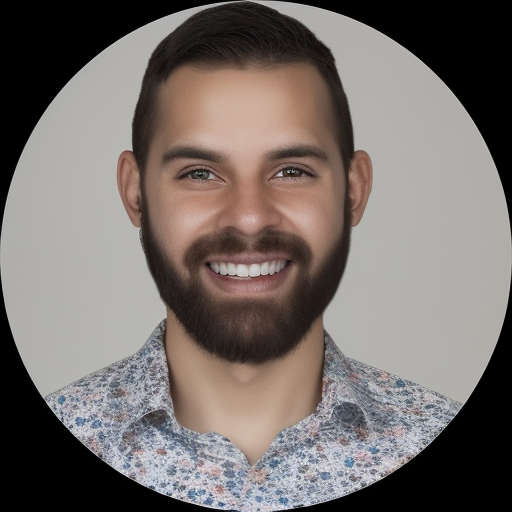
About Samuel
He brings ten years of clinical experience and personal lived experience in long-term recovery. That background shapes how he listens and responds to issues like substance use, bipolar symptoms, and compassion fatigue. He focuses on practical coping strategies and clearer communication rather than jargon or labels.
Many clients work with him on attachment concerns, abandonment wounds, and family of origin issues. He also supports people navigating kink and alternative sex culture, body-image struggles, chronic illness or pain, and complex co-occurring problems. Samuel pays close attention to how past hurts affect present relationships and daily functioning.
His style is client-centered and trauma-informed, emphasizing safety, pacing, and building resilience. He helps people process difficult experiences and practice tools that reduce panic and improve mood regulation. Sessions aim to clarify values, strengthen boundaries, and improve problem-solving.
Samuel practices in Florida and works in English. He frames therapy as a collaborative process and encourages people to set realistic goals. If you want a steady, nonjudgmental clinician who understands recovery and trauma, Samuel offers a pragmatic, supportive approach to change.
How therapeutic approaches translate to online care
Samuel draws on evidence-based therapeutic techniques that focus on trauma-informed care and client-centered work. Trauma-informed care means recognizing how past harm shapes present reactions and moving at a pace that feels manageable while building grounding and emotion-regulation skills. Client-centered methods emphasize listening first, helping people set their own goals, and choosing practical strategies that fit their daily life.These approaches are collaborative. Samuel will work with each person to figure out which methods fit best, balancing symptom relief and longer-term growth. He discusses goals, tries techniques, and adjusts plans based on feedback so the work stays relevant and useful.
Session formats are not specified in the biography, so confirm current options before booking. Many people find online work helpful because it can fit into a busy schedule, reduce travel time, and make it easier to check in between appointments. Online sessions can also allow quieter, shorter check-ins when time or bandwidth is limited. Talk with Samuel during the matching process about how to shape sessions to match your routine and needs.
Frequently asked questions
What concerns does Samuel commonly address?
He works with people on trauma and abuse, addictions, bipolar symptoms, and compassion fatigue, along with related issues like attachment, body image, and family of origin wounds.
What is his general therapeutic style?
Samuel uses a client-centered, trauma-informed style that emphasizes pacing, safety, and practical coping skills to manage panic and mood challenges.
How much clinical experience does he have?
He has ten years of experience as a clinician and brings personal lived experience in long-term recovery to his work.
What credentials and location apply to this therapist?
He holds the credential LCSW, which stands for licensed clinical social worker, and practices in Florida.
Which languages are supported for sessions?
Sessions are offered in English.
Can people outside the United States work with him?
He does not accept international clients at this time.
How are session costs handled?
Cost varies with location and therapist availability; sessions use a subscription that can be canceled at any time.
How do I begin working with him?
Click the Start Therapy button, complete a short matching questionnaire, and schedule sessions according to therapist availability.