- Trauma and abuse aware
- Strengths focused
- Practical skills
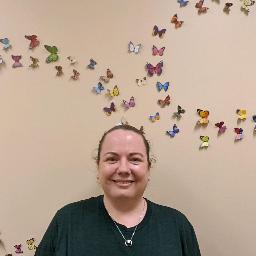
About Sarah
Sarah earned her master's degree in social work from Virginia Commonwealth University and completed a Post Baccalaureate Certificate in Aging Studies. She has provided psychotherapy since 2009 across outpatient clinics, intensive community settings, and hospital-based practice. She obtained her LCSW in 2012 and currently works full time in a hospital setting.
Her clinical experience includes helping people with depressive and bipolar disorders, anxiety, trauma-related issues, substance use concerns, and autism spectrum presentations. She is described as LGBTQ+ informed and has supported clients coping with grief and losses as well as stress tied to social and public-health changes.
In sessions she blends practical methods to match each person’s needs. That can mean learning new coping skills, shifting unhelpful thinking patterns, or using mindfulness exercises to ease tension. She emphasizes strengths and collaborative problem solving so clients leave with clear steps to try between visits.
Sarah typically schedules evening and weekend appointments to fit busy lives. If the approach sounds like a fit, she guides people through a brief matching questionnaire and scheduling process to begin work together.
How her approaches shape online work
Sarah often uses Client-Centered Therapy which focuses on listening, understanding your goals, and working at your pace to build trust and clarity. This approach helps when someone needs a supportive space to talk through feelings or decisions.She also draws on Cognitive Behavioral Therapy (CBT), which looks at the link between thoughts, feelings, and behaviors. CBT helps with anxiety, depression, sleep difficulties, and changing patterns that get in the way of daily life.
Mindfulness Therapy appears in her practice as brief exercises to reduce tension and increase awareness. These practices can be useful for stress, anger, and sleep problems by teaching simple ways to calm the body and mind.
Finding the right approach is part of the work together. She will discuss options, tailor methods to personal needs, and check in about what is helping. The process is collaborative and adjusts as goals evolve.
If you plan to try online therapy, confirm the available session formats before booking so you know what will be offered. Online work can make it easier to fit therapy into busy routines, allow shorter check-ins when needed, and reduce travel time so more consistent care is possible.
Frequently asked questions
What concerns does she commonly address?
She works with stress, anxiety, depression, addictions, grief, self-esteem, relationship and family concerns, trauma and abuse, sleep problems, parenting strain, bipolar symptoms, and coping with life changes.
How would she describe her therapy style?
Her style is collaborative and practical. Sessions focus on listening, building skills, changing unhelpful thoughts, and setting tasks to practice between visits.
What is her clinical background?
She has provided psychotherapy since 2009 in outpatient clinics, community-based programs, and hospital settings, and has 15 years of experience in behavioral health.
What credentials and region should I know about?
She holds a License in Clinical Social Work (LCSW) in Virginia and works from that regional base.
Which languages are supported for sessions?
Sessions are offered in English.
Can people outside the U.S. work with her?
International clients are accepted; confirm any specific time zone or regulatory details when scheduling.
How are fees and payment handled?
Cost varies with location and therapist availability; sessions use a subscription that can be canceled at any time.
What steps do I take to begin therapy?
Use the Start Therapy button, complete a short matching questionnaire, and then schedule sessions based on the therapist's available times.