- Client-centered care
- CBT techniques
- Solution-focused goals
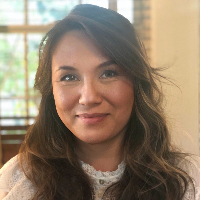
About Sarah
She previously worked in outpatient clinics, in-home care, and programs addressing sexual assault, interpersonal violence, homelessness, and addictions. That variety shaped a practical, down-to-earth style. Sarah also served as a Behavioral Health Officer in the U.S. Army, which informed her ability to manage complex stress and caregiver strain.
In sessions she aims for a warm, collaborative atmosphere. She treats each person as the expert on their life and partners with them to set clear goals. Sarah uses straightforward techniques to tackle worries, improve communication, and build self-acceptance.
Her work includes attention to intimacy and relationship struggles, body image and self-esteem, abandonment and codependency concerns, blended family issues, and compassion fatigue. She also supports people facing career stress, life transitions, and impulsivity.
Sarah combines client-centered listening with practical strategies from Cognitive Behavioral Therapy and Solution-Focused Therapy. People can expect a respectful, shame-free space to talk through problems and test small changes between sessions.
How Sarah’s approaches guide online therapy
Client-Centered Therapy focuses on listening and understanding the person’s perspective. It aims to create a respectful space where goals come from the client and change grows from their own values and choices.Cognitive Behavioral Therapy, or CBT, helps identify unhelpful thinking and behavior patterns. It offers practical techniques to reduce anxiety, improve sleep, and manage stress with exercises you can try between sessions.
Solution-Focused Therapy concentrates on small, concrete steps toward specific goals. It’s useful when someone wants quick, actionable changes for relationship struggles, work stress, or parenting challenges.
Finding the right mix of approaches is part of the work. The therapist will collaborate with each person to decide which methods fit their needs, goals, and preferences. That decision is revisited as progress is made.
Confirm current session options before booking, as the profile does not list specific formats. Online work can make it easier to fit therapy into a busy schedule, allow shorter check-ins when needed, and reduce travel time. Those practical benefits often help people maintain consistency and keep momentum between sessions.
Frequently asked questions
What concerns does Sarah commonly address?
She works with relationship and intimacy issues, trauma and abuse, anxiety, stress, parenting and sleep problems. Additional focuses include body image, codependency, abandonment, blended family issues, and compassion fatigue.
How would you describe her therapeutic style?
Her approach is warm, collaborative, and practical. Sessions emphasize listening, goal-setting, and small actionable steps between meetings.
What background and experience does she bring?
She has seven years of clinical experience across outpatient clinics, in-home care, and programs for sexual assault, interpersonal violence, homelessness, and addictions, plus service as a Behavioral Health Officer in the U.S. Army.
What credential and region is she licensed in?
She is a Licensed Clinical Social Worker listed as NC LCSW and practices in North Carolina.
Can sessions be conducted in other languages or with international clients?
Sessions are offered in English. She is not accepting international clients.
What session formats are available?
Please confirm current session options before booking, as formats are not specified in the profile.
How does pricing work for sessions?
Cost varies with location and therapist availability and uses a subscription model that can be canceled at any time.
How do I begin working with her?
Use the Start Therapy button, complete a short matching questionnaire, and schedule according to therapist availability.