- Trauma and abuse focus
- Client-centered care
- Practical coping tools
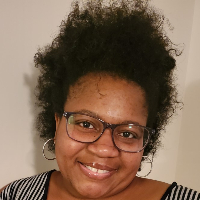
About Shalika
Shalika moved into social work after starting her career in banking and earning a Master of Public Administration from the University of New Haven. That experience shaped how she thinks about the pressures people face at work and at home. She later earned a Master of Social Work from Fordham University and has about 10 years of experience supporting people through depression, addiction, relationship strain, and life transitions.
Her sessions mix practical tools and listening. She uses Client-Centered Therapy to follow what matters most to the client. Cognitive Behavioral Therapy helps identify unhelpful thinking and change small daily habits. Mindfulness techniques support grounding during high stress and panic moments.
Shalika also uses Narrative Therapy and Motivational Interviewing to help people reframe difficult stories and find internal motivation for change. She works with concerns like self-esteem, body image, communication problems, fertility and pregnancy-related stress, and feelings of isolation. She does not list services for international clients.
People who choose her can expect direct, respectful conversation and steps they can try between sessions. The goal is to make therapy fit the client's life and goals so progress feels manageable.
How therapeutic approaches translate to online work
Shalika commonly uses Client-Centered Therapy and Cognitive Behavioral Therapy when working with people online. Client-Centered Therapy emphasizes listening closely to what matters most to the client and letting the person's priorities shape each session. Cognitive Behavioral Therapy focuses on identifying unhelpful thoughts and testing small behavior changes that reduce anxiety and improve mood.Finding the right approach is a collaborative process. She will talk with the client about goals, preferences, and what feels most helpful, then adjust methods as the work progresses. The client and therapist decide together which techniques to use and when to try something different.
The original biography did not list specific session formats, so confirm which online options are available before booking. Many people find online sessions make it easier to fit therapy into a busy day, allow shorter check-ins when needed, and remove travel time. Online work can also make it simpler to continue care through transitions like moves or schedule changes, while still focusing on practical skills and emotional processing.
Frequently asked questions
What kinds of problems does this therapist help with?
She helps people with stress, anxiety, trauma and abuse, depression, ADHD, addictions, relationship and family concerns, anger, and coping with life changes.
What’s the general approach in sessions?
Sessions begin where the client is and follow the client's priorities. She blends Client-Centered Therapy, Cognitive Behavioral Therapy, Mindfulness, Motivational Interviewing, and Narrative Therapy as needed.
How much experience does she have?
She brings about 10 years of experience working in social work settings and supporting people with mood, trauma-related, and substance-related concerns.
What are her credentials and where is she based?
She is a Licensed Clinical Social Worker, NC LCSW, based in North Carolina.
Which languages are supported and can international clients work with her?
Sessions are offered in English. She is not currently accepting international clients.
What session formats are offered?
The original biography does not list specific session formats; please confirm current session options before booking.
How much do sessions cost?
Cost varies with location and therapist availability; sessions use a subscription that can be canceled at any time.
How do I begin working with her?
Select the Start Therapy button, complete a short matching questionnaire, and schedule according to therapist availability.