- Trauma and abuse
- Anxiety and stress
- LGBT support
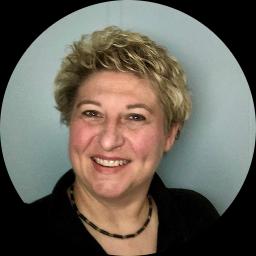
About Shanda
She spends time getting to know what matters most to each person and sets small, achievable goals. Sessions often include building self-love, improving communication, and practicing ways to handle impulsivity or mood swings. She draws on evidence-based therapeutic techniques to guide those steps rather than relying on any single method.
Her approach is trauma-informed and aims to respect each person’s pace when processing difficult experiences. That includes helping people manage symptoms of post-traumatic stress and find calmer ways to respond to triggers. She emphasizes collaboration and clear, everyday strategies clients can try between sessions.
Owens brings 19 years of clinical experience to her work as an LCSW-C, which means she holds a clinical social work license in Maryland. Her background includes supporting people with workplace stress, caregiver burden, and questions about life purpose. She keeps the focus on practical progress and steady support.
People who choose her often want a therapist who listens carefully, offers direct tools for change, and helps them reclaim a sense of agency in daily life.
How evidence-based techniques translate to online work
Shanda uses evidence-based therapeutic techniques that focus on practical skills and trauma awareness. One common approach she relies on helps people learn coping skills for anxiety and stress through step-by-step practice and breathing or grounding exercises. Another approach emphasizes processing past hurt in manageable pieces so memories and triggers become less overwhelming and daily functioning improves.Choosing the right approach is collaborative. The therapist will talk with each person about goals, preferences, and what has or hasn't helped before. Together they decide which techniques to try and adjust the plan as progress and needs change.
If you are considering online therapy, confirm the session options before booking since formats are not specified in the biography. Online work can make it easier to fit sessions into a busy life, reduce travel time, and allow for shorter check-ins when schedules are tight. It can also help people use tools learned in session right away in their day-to-day routines. Ask about specific session formats and scheduling when you complete the matching questionnaire to find the best fit.
Frequently asked questions
What concerns does she help with?
She supports people dealing with stress, anxiety, relationship issues, trauma and abuse, and ADHD. Additional focuses include workplace stress, caregiver strain, mood disorders, and social anxiety.
How would you describe her therapeutic style?
Her style is collaborative and practical, with an emphasis on clear goals and everyday strategies. She helps clients build communication skills, self-love, and tools to manage impulsivity and mood.
How much experience does she have?
She has 19 years of clinical experience working with people across a range of challenges. That background informs her approach to trauma recovery and anxiety management.
What are her credentials and where is she located?
She is an LCSW-C, a clinical social work license in Maryland. Her practice is based in Maryland.
Which languages are supported for sessions?
Sessions are offered in English.
Can international clients work with her?
She is not currently accepting international clients.
What does therapy cost?
Costs vary with location and therapist availability, and sessions use a subscription that can be canceled at any time.
How do I begin working with her?
Use the Start Therapy button, complete a short matching questionnaire, and schedule sessions according to the therapist's availability.