- Trauma and abuse support
- Skills for daily life
- Values-based care
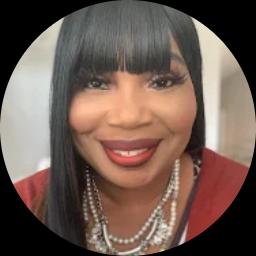
About Sharon
She builds sessions around each person’s situation and goals. Conversations and tools are adjusted to what makes sense for the individual. Sharon uses simple, evidence-informed approaches to teach coping skills and to address unhelpful patterns that get in the way of daily life.
Her background includes nearly two decades of clinical experience working with people facing substance use, family conflict, and attachment concerns. She notes experience helping clients with blended family issues, communication problems, and challenges linked to military service. This history informs a pragmatic approach to problem solving.
Sharon combines techniques from several therapeutic styles to fit each client. That can mean focusing on behavior change, learning emotional regulation skills, clarifying values, or improving relationship interactions. Sessions emphasize clear steps and practice between meetings.
People who choose Sharon can expect a respectful and compassionate space to talk through difficult topics. She frames therapy as a collaborative process, offering guidance while inviting clients to shape goals and the pace of work.
Therapeutic approaches often used online
Acceptance and Commitment Therapy (ACT) helps people clarify what matters most to them and take committed steps toward those values, even when emotions are difficult. It is useful for anxiety, life changes, and low motivation. Cognitive Behavioral Therapy (CBT) focuses on spotting and changing unhelpful thoughts and behaviors through practice and skill building, which can reduce anxiety and depression symptoms. Dialectical Behavior Therapy (DBT) teaches emotional regulation and distress-tolerance skills to manage intense feelings and reduce reactive behavior.Finding the right approach is part of the work. Sharon works with clients to decide which methods fit their needs and goals. That choice is collaborative and can shift as progress is made or new priorities appear.
The biography does not list specific online session formats, so confirm available options before booking. Online care can make it easier to fit therapy into a busy life by reducing travel time and allowing sessions during breaks or between commitments. It also lets people use tools and worksheets in real time, practice skills between meetings, and keep a steady schedule even when routines change.
Frequently asked questions
What kinds of concerns does Sharon support?
She works with stress, anxiety, addictions, relationship and family problems, trauma and abuse, grief, parenting strain, anger, low self-esteem, career challenges, depression, and related issues.
How would you describe her therapy style?
Her style is practical and collaborative. She tailors conversations and tools to each person and focuses on concrete skills and steps people can use between sessions.
What experience does she bring?
She has 19 years of professional experience working with people facing substance use, family conflict, attachment concerns, and other life challenges.
What credentials and region are listed?
She is a Florida licensed mental health clinician, LMHC, and practices in Florida.
Are sessions offered in other languages or internationally?
Sessions are offered in English. She is not currently accepting international clients.
Which session formats are available?
The original biography does not specify session formats. Confirm current session options with the therapist before booking.
How are costs handled for therapy?
Cost varies with location and the therapist's arrangements; sessions use a subscription that can be canceled at any time.
How do I begin if I want to work with Sharon?
Select the Start Therapy button, complete a short matching questionnaire, and schedule according to the therapist's availability.