- Person-centered care
- Evidence-based tools
- Strengths focused
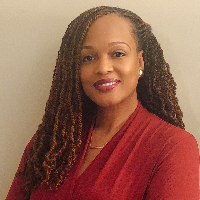
About Shenelle
With 18 years in counseling, Shenelle has worked in outpatient and inpatient settings, private practice, and state and local agencies across South Carolina. That range means she has experience supporting people through grief, anger, mood changes, and the effects of substance use. She uses tools from Cognitive Behavioral Therapy and Solution-Focused Therapy alongside motivational interviewing and client-centered work.
In sessions she centers the person rather than a label. She helps clients notice unhelpful thinking, practice different behaviors, and set small, doable goals. She also emphasizes drawing on each person’s strengths and values to build a life that feels more meaningful.
Shenelle aims to be respectful, genuine, and accepting in the counseling relationship. She encourages clients to explore difficult feelings without judgment and to discover what change looks like for them. Her approach combines practical strategies and ongoing support.
If someone wants help addressing codependency, abandonment issues, feelings of guilt or shame, isolation, or women’s issues, she includes these areas in her focus. She works with people managing ADHD, bipolar concerns, and the challenges that accompany major life changes.
How these approaches translate to online and remote work
Client-Centered Therapy focuses on listening without judgment and helping people decide what change looks like. It’s helpful for people who need acceptance and space to understand their feelings. Cognitive Behavioral Therapy, or CBT, looks at thinking and behavior patterns and gives clear skills to reduce symptoms and change daily routines.These approaches are often combined in sessions. The therapist will collaborate with each person to choose techniques that fit their goals, preferences, and pace. Deciding on an approach is a shared process and can change as needs evolve.
The biography does not specify session formats, so confirm the available online options before booking. In general, online care can make scheduling easier and reduce commute time. It can allow shorter check-ins during a busy day, and sessions that focus on skills practice or talking through difficult moments without needing to travel. Licensed professionals can adapt CBT worksheets, goal-setting, and motivational conversations for remote sessions to keep work practical and focused.
Frequently asked questions
What concerns does Shenelle address in therapy?
She supports people dealing with stress, anxiety, addictions, trauma and abuse, depression, relationship problems, grief, and anger. Additional focuses include abandonment, codependency, guilt and shame, isolation, mood disorders, and women’s issues.
What is her therapeutic style like?
Her work is person-centered and collaborative, blending practical techniques with empathic listening. She also uses Cognitive Behavioral Therapy, Motivational Interviewing, and Solution-Focused Therapy to help people set goals and change unhelpful patterns.
How much experience does she have?
She has 18 years of experience working in outpatient and inpatient settings, private practice, and state and local agencies.
What credentials and region are listed?
She holds the LPC credential and practices in South Carolina.
Which languages are offered and are international clients served?
Sessions are offered in English and international clients are not currently accepted.
What session formats are available?
The original biography does not list specific session formats; please confirm current session options before booking.
How does cost work for sessions?
Cost varies with location and therapist availability, and sessions use a subscription that can be canceled at any time.
What steps are needed to begin therapy?
Click the Start Therapy button, complete a short matching questionnaire, and schedule according to the therapist’s availability.