- Evidence-based methods
- Supportive and motivating
- Trauma and abuse focus
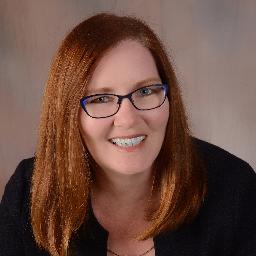
About Sherri
Sherri takes a practical, down-to-earth approach. She treats therapy as an active collaboration. Sessions focus on clear goals, strategies you can use between visits, and making everyday life feel more manageable. She often combines evidence-based skills with straightforward conversation and motivational support.
Her work draws heavily on cognitive behavioral methods to change unhelpful thinking and behavior patterns. She also uses acceptance and commitment strategies and mindfulness practices to help people tolerate difficult feelings and notice what matters most to them. Motivational interviewing and solution-focused ideas are part of her toolkit for people working on addiction or major life changes.
Clients who appreciate a supportive, motivating guide tend to do well with her style. She balances skill teaching with listening, helping people sort through feelings and decide next steps. Sherri also has experience supervising clinicians, and she brings that perspective to clinical decision making.
People come to her wanting relief and a clearer path forward. In sessions she helps identify small, achievable steps that build toward larger change. She aims to help people get unstuck and spend more time feeling content and effective in daily life.
How these approaches translate to online work
Acceptance and Commitment Therapy (ACT) helps people notice difficult thoughts and feelings without getting stuck in them, then choose actions that match their values. It often helps with anxiety, depression, and life transitions. Cognitive Behavioral Therapy (CBT) focuses on changing unhelpful thinking and behavior patterns through practical exercises and homework, which can reduce symptoms of anxiety, depression, and mood disorders. Dialectical Behavior Therapy (DBT) teaches emotion regulation, distress tolerance, and interpersonal skills, which can be useful for intense emotions and relationship struggles.Finding the right approach is part of the process. The therapist will work together with each person to decide which strategies fit their needs and goals. That means trying different tools, checking what helps, and adjusting the plan as progress is made.
Session format options are not listed in the biography, so confirm available formats before booking. Online therapy can make it easier to fit sessions into a busy life by reducing travel time and allowing a flexible schedule. It also lets people practice skills in real settings and use short check-ins when a full visit is not possible. Licensed professionals can tailor exercises, worksheets, and mindfulness practices to work well in remote sessions, helping maintain momentum between meetings.
Frequently asked questions
What issues does she commonly help with?
She works with stress, anxiety, depression, addictions, trauma and abuse, relationship and intimacy concerns, parenting stress, self-esteem, bipolar mood concerns, and compassion fatigue.
What is her therapy style like?
Her style is supportive and motivating. She treats therapy as an active process that combines skill teaching with listening and practical problem solving.
How long has she been practicing clinically?
Sherri brings 27 years of experience as a therapist and clinical supervisor, working with a wide range of life and mental health challenges.
What credentials and location are listed?
She holds LMHC and LCMHC credentials and practices in Florida.
Which languages are available for sessions?
Sessions are offered in English and she accepts international clients.
What session formats are offered?
Session formats are not specified in the biography; please confirm current format options before booking.
How is cost handled for sessions?
Cost varies with location and therapist availability; sessions use a subscription that can be canceled at any time.
How do I begin working with her?
Click the Start Therapy button, complete a short matching questionnaire, and schedule according to therapist availability.