Therapist listings are provided by BetterHelp. We will earn a commission at no extra cost to you if you use our links to buy.

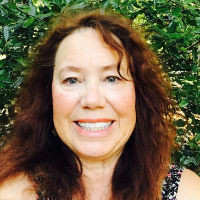
Sherry Friedman

Sherry Friedman, LPC, LCMHC

Therapist in North Carolina

Experienced counselor focused on healing and strength

Continue with Sherry

Review online therapy options on BetterHelp.

Areas of expertise

Also works with

Relationship issuesFamily conflictsGriefAnger managementSelf esteemCareer difficultiesBipolar disorderDepressionCoachingADHD

Additional focus areas

AbandonmentAttachment issuesAutism and Asperger SyndromeBody imageCommunication problemsDivorce and separationFamily of origin issuesFamily problemsForgivenessIsolation / lonelinessLife purposeMidlife crisisMood disordersMulticultural concernsNarcissismPostpartum depressionPost-traumatic stressPregnancy and childbirthSelf-loveWomen's issues

Therapeutic approaches

Attachment-Based TherapyClient-Centered TherapyDialectical Behavior Therapy (DBT)Emotionally-Focused Therapy (EFT)Jungian TherapyMindfulness TherapyMotivational InterviewingNarrative TherapyPsychodynamic TherapySolution-Focused TherapySomatic TherapyTrauma-Focused TherapyInternal Family Systems

Experience

12+ years

Credentials

North Carolina, South Carolina, Rhode Island

Languages

English

  • Trauma and abuse
  • Attachment focus
  • Mindfulness tools

About Sherry

Sherry Friedman is a licensed professional counselor (LPC) and licensed clinical mental health counselor (LCMHC) with twelve years of clinical experience. She practices in North Carolina and brings a caring, approachable manner to sessions. Sherry often focuses on stress, anxiety, trauma and abuse, and related life challenges. Her style is warm and interactive. She listens closely and helps people name what is happening for them. She uses practical tools her clients can try between sessions to manage difficult moments and build healthier habits. Sherry draws on Attachment-Based and Jungian ideas to look at patterns in relationships and deep emotional themes. She also uses elements of client-centered work and dialectical behavior therapy (DBT) to help people build skills for emotion regulation and clearer communication. Mindfulness and heart-based practices show up in her sessions as ways to slow down and notice what matters most. She supports people dealing with parenting stress, relationship and family concerns, grief, career strain, mood disorders, and identity questions. Additional focus areas include abandonment and attachment issues, body image, autism and Asperger syndrome, multicultural concerns, and forgiveness work. Sherry wrote a teaching memoir about sensitivity and neurodivergence that complements the tools she shares in therapy. She encourages clients to discover strengths, set boundaries, and move toward a clearer sense of purpose. To begin, people are invited to reflect on what they want to change and take one step toward it.

How these approaches translate to online work

Attachment-Based Therapy looks at patterns in close relationships and how early bonds influence current reactions. Online sessions can help people notice those patterns, practice new ways of relating, and repair emotional distance over time.

Client-Centered Therapy focuses on listening, empathy, and following the client's pace. In an online conversation this approach means the therapist reflects what matters most and helps clients find their own solutions.

Dialectical Behavior Therapy (DBT) offers concrete skills for handling strong emotions, tolerating distress, and improving communication. Teaching these skills remotely can make it easier to try them between sessions and bring real-life examples into therapy.

Finding the right approach is part of the work. The therapist will collaborate with each person to choose methods that match their goals, needs, and preferences. That might mean combining mindfulness, attachment work, and skills training to fit the situation.

The original profile does not list specific online formats, so confirm which session types are offered before booking. Many people find remote therapy helps fit appointments into busy lives, lets them use shorter check-ins when needed, and makes it simpler to practice new skills in their everyday settings. Licensed professionals can adapt exercises and pacing so therapy fits practical schedules and goals.

Frequently asked questions

What concerns does she help with?

She works with stress, anxiety, trauma and abuse, grief, mood disorders, relationship and family concerns, parenting strain, career issues, ADHD, and related challenges.

How would you describe her therapeutic style?

Her style is warm and interactive. She listens closely, uses mindfulness and heart-based practices, and teaches practical skills for coping between sessions.

How much experience does she have?

She has twelve years of clinical experience working with a range of emotional and life concerns.

What credentials and region are listed?

She holds LPC and LCMHC credentials and practices in North Carolina.

Are sessions offered in other languages or to international clients?

Sessions are offered in English and international clients are not currently accepted.

What session formats are available?

The original profile does not specify session formats; please confirm current options before booking.

How does pricing work?

Cost varies with location and therapist availability; sessions use a subscription that can be canceled at any time.

How do I get started with her?

Select the Start Therapy button, complete a short matching questionnaire, and schedule according to therapist availability.

Back to all therapists

Sherry FriedmanReview online therapy options on BetterHelp.

Continue with Sherry