- Trauma-aware care
- Goal-focused work
- Respectful listening
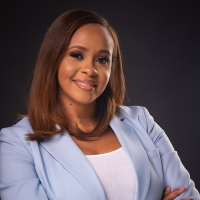
About Sophia
She draws on Client-Centered Therapy to make sessions feel respectful and person-focused. Cognitive Behavioral Therapy and Solution-Focused Therapy shape practical steps to change unhelpful thinking and try new behaviors. Narrative Therapy is used to help people reframe painful stories about themselves.
Sophia’s background includes work with people experiencing homelessness and those without insurance. That experience informed her belief in seeing each person as more than their current situation. She aims to treat everyone with dignity and straightforward care.
In a typical session she listens, reflects, and helps set small, achievable goals. Conversations are tailored to the client’s needs and paced to what feels manageable. She also supports clients dealing with grief, caregiver stress, postpartum depression, and workplace issues.
She encourages people who are ready to take steps toward feeling better to reach out. Sophia works collaboratively so clients feel heard and gain practical tools for daily life. If you decide to start, she will help map a plan that fits your circumstances.
How her approaches translate to online work
Client-Centered Therapy focuses on respectful listening and building a trusting relationship. In practice this means sessions begin with open conversation so the person feels heard and understood before goals are set. This approach helps when someone needs steady emotional support while they sort out next steps.Cognitive Behavioral Therapy (CBT) focuses on identifying specific thoughts and behaviors that get in the way. It uses practical exercises and small homework tasks to test new ways of thinking and behaving, which can help with anxiety, depression, and mood problems.
Choosing the right approach is a collaborative process. The therapist will work together with each person to weigh needs, goals, and preferences and pick methods that feel like a good fit. That choice can change over time as progress is made.
Confirm the available session formats before booking, since specific formats are not listed in the biography. Online therapy can make it easier to fit sessions into a busy life by removing travel time, allowing shorter check-ins, or offering options that don’t require being on camera. Licensed professionals can adapt exercises and homework for virtual sessions so the work stays practical and focused on daily life.
Frequently asked questions
What kinds of concerns does she address?
She helps people with stress, anxiety, depression, trauma and abuse, anger, addictions, relationship and family concerns, grief, intimacy issues, career worries, bipolar disorder, and coping with life changes.
How would you describe her therapy style?
Her style starts with building strong rapport and listening closely. She then uses practical, goal-oriented techniques and tailors conversations to each person.
What is her professional background?
She has 12 years of experience working as a counselor and life coach, including time supporting people experiencing homelessness and those without insurance.
What credentials and location are listed?
She holds LCSW and CSW credentials and practices in Georgia with a Georgia LCSW and a Virginia LCSW listed in her background.
Which languages are supported and can international clients work together?
Sessions are offered in English. International clients are not currently accepted.
What session formats are available?
Please confirm current session formats before booking, as the biography does not list specific formats.
How does payment and cost work?
Cost varies with location and therapist availability; sessions use a subscription that can be canceled at any time.
How do I begin if I want to work together?
Select the Start Therapy button, complete a short matching questionnaire, and schedule according to therapist availability.