- Trauma and abuse focus
- Practical coping skills
- Mindful evidence-based care
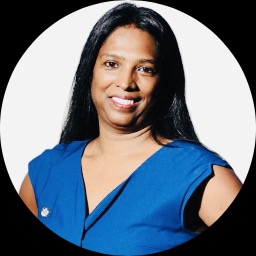
About Sugandika
Her approach is conversational and down-to-earth. She aims to make sessions a place where thoughts and feelings can be shared without judgment. She focuses on practical steps that fit a person’s life while also exploring deeper patterns that keep problems repeating.
Dr. Subawickrama uses a mix of methods geared to the person in front of her. She often draws on client-centered listening to understand each person’s priorities. She pairs that with cognitive behavioral techniques to identify unhelpful thinking and with mindfulness to help calm the nervous system.
She has worked in national and international settings, and that background shapes how she talks about loss, change, and cultural stress. Her practice supports people coping with grief, caregiving strain, abandonment, and transitions such as divorce or career shifts.
Sessions emphasize collaboration and gradual change. She helps clients set clear goals, try new habits between meetings, and reflect on what is and isn’t working. The aim is to build skills people can use beyond therapy.
Using evidence-informed approaches for online care
Dr. Subawickrama commonly blends client-centered therapy and cognitive behavioral therapy to address symptoms and patterns. Client-centered therapy focuses on listening and understanding a person's priorities, helping them feel heard and guiding the work at their pace. Cognitive behavioral therapy looks at how thoughts, feelings, and behaviors interact and uses practical exercises to reduce anxiety, depression, and problematic habits.She also uses mindfulness techniques to help people notice thoughts and bodily reactions without getting swept up by them, which can be useful for stress, sleep problems, and trauma-related symptoms. Deciding which approach to use is a shared process: the therapist will talk with each person about their goals, try strategies, and adjust plans together as needs change.
If you are considering online therapy, confirm the session formats available before booking since the biography does not list specific options. Many people find online work helpful because it can fit into a busy day, reduce travel time, and make it easier to keep consistent appointments. The therapist will help shape sessions so they fit practical needs and therapeutic goals, with clear steps to try between meetings.
Frequently asked questions
What kinds of concerns are addressed here?
Common topics include stress, anxiety, depression, addictions, trauma and abuse, grief, relationship and family difficulties, sleep and eating issues, and coping with life changes.
How would you describe the therapeutic style?
The style is warm and client-centered, with an emphasis on listening first and then using practical techniques such as cognitive behavioral strategies and mindfulness to support change.
What is the therapist's background and experience?
The therapist has 20 years of professional experience working in national and international settings and has supported people with a wide range of emotional and behavioral concerns.
Which credentials and location are listed?
Credentials shown are LCPC and LPC, and the therapist practices in New Jersey.
Which languages are offered for sessions?
Sessions are offered in English and Sinhala.
What session formats are available?
Session formats are not specified in the biography; please confirm current session options before booking.
How are fees and payment handled?
Cost varies with location and therapist availability, and sessions use a subscription that can be canceled at any time.
How do I begin working with this therapist?
Click the Start Therapy button, complete a short matching questionnaire, and schedule based on the therapist's availability.