- Trauma and abuse focus
- Substance use help
- Mindful and practical
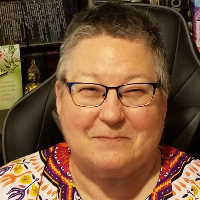
About Sus
Sus draws on approaches such as client-centered therapy, cognitive behavioral therapy, mindfulness, motivational interviewing, and narrative techniques. She uses practical tools like genograms and recovery-focused methods to map patterns and build coping skills. Sessions are conversational and grounded in everyday language so people can talk about what matters to them.
Her background includes long experience in outpatient, residential, and crisis settings, and years of personal recovery and parenting inform her perspective. That mix of personal and professional experience shapes an intuitive style that adapts to each person’s needs rather than relying on a single method.
People come to Sus for help with PTSD, compassion fatigue, substance dependence, ADHD, LGBTQ+ concerns, childhood trauma, and family systems. She also supports those facing cancer, caregiving stress, immigration issues, and problems tied to first responder or veteran experiences.
Sessions are available in English and Danish, and she works with international clients. To begin, readers should confirm current session options before booking and follow the site’s intake steps to match with her and schedule time together.
How her approaches shape online therapy
Client-centered therapy puts the person’s experience first and focuses on listening and understanding. In practice this means sessions concentrate on the client’s priorities, building trust, and exploring what feels most useful in daily life.Cognitive behavioral therapy (CBT) focuses on how thoughts, feelings, and behaviors interact. It provides practical strategies for managing anxiety, depression, addiction triggers, and impulsivity by identifying patterns and testing small behavior changes.
Mindfulness therapy teaches simple awareness and grounding exercises to reduce stress and improve focus. These skills can help with compassion fatigue, ADHD symptoms, and managing strong emotions after trauma.
Finding the right approach is part of the work together. The therapist will discuss goals and preferences and try methods that fit each person’s needs. Choices are collaborative and adjusted as progress is made.
The original biography does not list specific online session formats, so confirm the current options before booking. Online work can make scheduling easier, help fit sessions into a busy week, and reduce travel time. It also allows for a steady therapeutic relationship using conversational, skills-based, and narrative techniques adapted for remote sessions.
Frequently asked questions
What kinds of concerns does she address?
She works with trauma and abuse, substance use and addiction, grief, anxiety, depression, ADHD, and relationship and family issues among others.
What is her general therapy style?
Her style is client-centered and conversational, pairing listening with practical tools drawn from CBT, mindfulness, motivational interviewing, and narrative methods.
How much professional experience does she have?
She has 37 years of experience in mental health settings including outpatient, residential, and crisis stabilization.
What are her credentials and where is she located?
She is an LCSW licensed in Florida and provides services from Florida.
Which languages are supported?
Sessions are offered in English and Danish, and she accepts international clients.
What session formats are available?
The original biography does not specify session formats; please confirm current session options before booking.
How does pricing work?
Cost varies with location and therapist availability; sessions use a subscription that can be canceled at any time.
How do I begin working with her?
Click the Start Therapy button, complete a short matching questionnaire, and schedule according to therapist availability.