- Trauma and abuse
- Stress and anxiety
- Client-centered care
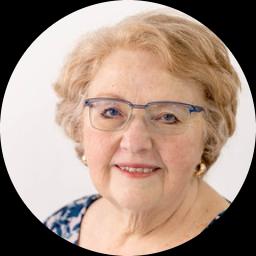
About Susan
She focuses on trauma and abuse and related concerns such as post-traumatic stress and sexual assault and abuse. She also supports people facing parenting challenges, caregiving strain, addiction, and relationship or communication problems. Additional areas include aging and geriatric issues, blended family concerns, and multicultural matters.
Susan uses client-centered methods that keep the person’s goals and preferences in the lead. She also draws on cognitive behavioral therapy techniques to help identify unhelpful thoughts and build new coping skills. Sessions emphasize clear, usable strategies you can try between meetings.
Her work includes support for coping with life changes like divorce, hospice and end-of-life questions, and recovery after natural or human-caused disasters. She also addresses concerns related to HIV/AIDS, intellectual disability, and compassion fatigue among caregivers.
Susan aims to tailor conversations and plans to each person’s needs. She encourages patience with the process and recognizes that starting therapy takes courage. The focus is practical progress, one step at a time.
How her approaches guide online therapy
Client-centered therapy starts by making space for what matters most to the person. The therapist focuses on listening, reflecting, and following the client’s lead so goals come from the client rather than being imposed by the clinician. This approach is useful for people who want a supportive, collaborative relationship.Cognitive behavioral therapy, or CBT, looks at how thoughts, feelings, and behaviors interact. It breaks problems into manageable pieces and teaches practical skills for changing unhelpful patterns, which can help with anxiety, depression, and stress-related issues.
Finding the right approach is part of the work together. The therapist will discuss options, try techniques, and adjust the plan based on how the client responds, needs, and prefers to proceed. That collaborative process aims to match methods to real goals in everyday life.
Session formats supported by this therapist are not specified in the biography, so please confirm current options before booking. Online therapy can make it easier to fit sessions into a busy schedule, allow shorter check-ins when needed, and avoid travel time. Many people find it simpler to keep continuity of care and practice new skills between meetings when sessions fit more naturally into their week.
Frequently asked questions
What issues does this therapist help with?
She helps with stress, anxiety, trauma and abuse, grief, parenting, depression, addictions, relationship and family issues, and related concerns listed in her profile.
How would you describe her therapeutic style?
Her style is client-centered, meaning she listens closely and builds the work around each person’s goals; she also uses cognitive behavioral techniques to teach practical coping skills.
What is her professional background?
She brings 25 years of professional experience working with a wide range of emotional and life challenges.
What credential does she hold and where is she located?
She is an LMHC - Licensed Mental Health Counselor - practicing in Florida.
Can people meet with her in languages other than English?
Sessions are offered in English.
Are international clients accepted?
International clients are not currently accepted.
How is cost handled for sessions?
Cost varies with location and therapist availability, and sessions use a subscription that can be canceled at any time.
What are the steps to begin working with her?
Use the Start Therapy button, complete a short matching questionnaire, and schedule sessions according to the therapist’s availability.