- Client-centered care
- Trauma-informed help
- Practical coping tools
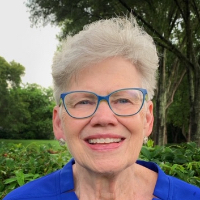
About Susan
Her style centers on a client-centered approach where the person’s goals guide each session. She blends practical tools from cognitive behavioral therapy and solution-focused techniques to address everyday problems. Motivational interviewing is used to help people find their own reasons to change, and trauma-focused methods are brought in when past harm needs careful attention.
Susan often works on issues like parenting strain, caregiver stress, chronic illness, codependency, and forgiveness. She also supports people dealing with abandonment, adoption and foster care matters, hospice and end-of-life concerns, and the emotional effects of disaster or domestic violence. Sessions focus on clear steps you can use between meetings.
Expect a collaborative process that aims for straightforward coping strategies and gradual, measurable progress. Conversations tend to be practical and goal-oriented, with room for emotion and reflection. Susan emphasizes what matters to each person and adjusts techniques to fit those priorities.
If you want to address stress, rebuild after trauma, or manage mood and life transitions, Susan offers steady support and a plan-focused approach. Start where you are and take the next step toward clearer coping and stronger daily routines.
How therapeutic approaches guide online work
Client-centered therapy focuses on listening and responding to what matters most to the person. It helps people find clarity by giving them space to describe their experience and priorities, and sessions are shaped around those goals.Cognitive behavioral therapy (CBT) looks at the connections between thoughts, feelings, and actions. It provides concrete tools to change unhelpful thinking and behavior, which can reduce anxiety, depression, and stress in daily life.
Trauma-focused work attends to the effects of past harm and helps people build safety, grounding skills, and gradual ways to process painful memories. This approach can be used alongside practical methods to address symptoms and improve day-to-day functioning.
Finding the right approach is part of the process. The therapist will work collaboratively to identify which methods fit your needs, goals, and preferences. That choice can shift as you make progress or face new challenges, and sessions are adjusted together.
If you are considering online therapy, confirm the available session formats before booking. Online work can make it easier to fit appointments into busy days, reduce travel time, and allow for shorter check-ins when needed. It also offers ways to continue care across life transitions without changing the therapeutic focus.
Frequently asked questions
What concerns does Susan address in therapy?
She works with a wide range of issues including stress, anxiety, trauma and abuse, grief, depression, addictions, relationship and family concerns, parenting strain, bipolar disorder, and ADHD.
What style of therapy can I expect?
The approach is client-centered and collaborative. Practical methods from cognitive behavioral therapy, motivational interviewing, and solution-focused work are used to reach your goals.
How much experience does she bring?
Susan has 25 years of experience working in the mental health community in Florida and has supported people with a wide range of concerns over that time.
Where is she licensed and located?
She is a Licensed Mental Health Counselor (LMHC) practicing in Florida.
Which languages are supported for sessions?
Sessions are offered in English.
Can international clients work with her?
International clients are not currently accepted.
How are fees and billing handled?
Cost varies with location and therapist availability; sessions use a subscription that can be canceled at any time.
How do I begin working with Susan?
Select the Start Therapy button, complete a short matching questionnaire, and schedule according to therapist availability.