- Trauma and abuse
- Practical tools
- Video and phone
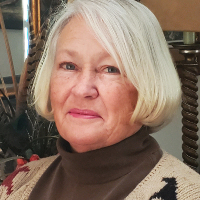
About Suzanne
Suzanne began her career in mental health as a psychiatric nurse and later moved into therapy work. She has experience in inpatient psychiatric settings and community mental health, including work with eating disorders, substance use, and intensive psychiatric conditions. That range shaped a practical, down-to-earth style.
Her approach is collaborative. She listens first, then offers tools chosen with the client’s comfort in mind. Sessions include problem-solving steps, mindfulness practices, and behavior-focused strategies when those fit the goal.
Suzanne uses a mix of methods such as Acceptance and Commitment Therapy, client-centered work, cognitive behavioral techniques, mindfulness, and solution-focused exercises. She adapts methods to each person rather than using a single fixed model.
She works with people dealing with grief, parenting and adoption concerns, codependency, OCD symptoms, panic, women’s issues, mood disorders, and intimacy-related problems. Her experience includes support for foster families and therapeutic foster care systems.
Sessions are offered in English and are arranged through the site’s scheduling process. Suzanne prefers live video or phone sessions as ways to connect and does not use live chat for therapy. Prospective clients can complete the platform questionnaire to match and schedule an appointment.
How Suzanne’s approaches translate to online therapy
Acceptance and Commitment Therapy helps people notice painful thoughts without getting stuck in them and then choose actions that match their values. It can be useful for anxiety, stress, and coping with life changes. Cognitive Behavioral Therapy focuses on spotting unhelpful thinking and testing new behaviors to reduce symptoms like panic, depression, and compulsive habits. It usually involves short exercises and homework between sessions. Client-centered therapy emphasizes listening and building a trusting relationship so the client can find their own solutions; it supports people who need a calm, steady space to talk.Finding the right approach is a process. Suzanne works collaboratively to see what feels useful and comfortable, and she adjusts methods based on each person’s goals and preferences. That conversation often happens in the first few sessions.
The therapist has said she prefers live video or phone sessions as ways to connect, and she does not do live chat for therapy. If you are booking, confirm current session formats before scheduling so you know what options are available. Online sessions can make it easier to fit meetings into a busy day, allow for shorter check-ins when needed, and reduce travel time while still using the same therapeutic tools you would in person.
Frequently asked questions
What concerns does Suzanne commonly address?
Suzanne supports people with stress, anxiety, depression, bipolar disorder, trauma and abuse, grief, relationship problems, parenting concerns, and substance use issues.
How would you describe her therapeutic style?
She uses a collaborative, down-to-earth style that combines listening with practical tools. Sessions focus on steps you can try between meetings.
What kind of experience does she bring?
She has 15 years working as a therapist and earlier experience as a psychiatric nurse, including inpatient and community mental health roles.
What credentials and location apply to her practice?
She holds LCSW and LICSW credentials and practices in Tennessee.
Which languages are supported and can international clients join?
Sessions are offered in English. International clients are not currently accepted.
What session formats does she use?
The therapist prefers live video and phone sessions and does not use live chat as a therapy format. Confirm current session options before booking.
How is cost handled for sessions?
Cost varies by location and with therapist availability; sessions use a subscription model that can be canceled at any time.
How do I begin working with her?
Click the Start Therapy button, complete the short matching questionnaire, and schedule a session according to therapist availability.