- Trauma and abuse
- Stress and anxiety
- Relationship focus
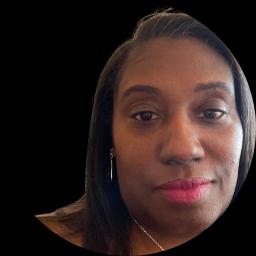
About Swiyah
Swiyah draws on a mix of therapy approaches to match what each person needs. She uses techniques from cognitive behavioral therapy and acceptance and commitment therapy to help people notice unhelpful patterns and take small, meaningful steps forward. Attachment-based and emotionally-focused ideas guide conversations about closeness, trust, and painful relationship memories.
Her background includes long experience in the mental health field before becoming a licensed clinician. That history helps her recognize a wide range of concerns such as abandonment, dissociation, domestic violence, and chronic illness impact. She also supports people facing caregiver stress, body image struggles, isolation, and questions of life purpose.
Sessions aim to be honest and straightforward. Swiyah creates space for people to talk without judgment, name difficult feelings, and try new ways of coping. She encourages small actionable steps between meetings so progress is practical and measurable.
If you want to start, the process asks for a short matching questionnaire and then scheduling based on availability. The therapist works in English and is located in Delaware.
Approaches that translate to online work
Acceptance and Commitment Therapy (ACT) helps people notice painful thoughts without getting stuck in them and focuses on values-based action to build a meaningful life. It can help with anxiety, stress, and low motivation. Attachment-Based Therapy looks at patterns of closeness and trust that come from early relationships and helps people understand how those patterns show up now in relationships or in feelings of abandonment. Cognitive Behavioral Therapy (CBT) breaks problems into thoughts, feelings, and behaviors, and provides concrete strategies to change unhelpful thinking and everyday habits.Finding the right approach is part of the process. The therapist will work collaboratively to figure out which methods suit a person's goals and preferences. That means trying techniques, checking what helps, and adjusting the plan together as needs change.
The original biography does not list specific online session formats, so confirm available options before booking. In general, online therapy can make it easier to fit sessions into a busy life, cut travel time, and allow shorter check-ins when needed. It can also let people pick a time that works around work, caregiving, or medical needs, and helps maintain continuity of care when routines change.
Frequently asked questions
What concerns does Swiyah commonly help with?
She helps people coping with stress, anxiety, low self-esteem, depression, relationship difficulties, and trauma or abuse, plus related issues such as abandonment, dissociation, and caregiver stress.
What is her general therapy style?
Her style is person-focused and straightforward. She combines practical skill-building with space to talk through emotions and relationship patterns.
What kind of experience does she bring?
She holds three years of professional practice as a licensed clinician and draws on a longer background in the mental health field to inform her work.
What credential and region are listed?
She is a Licensed Professional Counselor - Mental Health (LPC-MH) practicing in Delaware as indicated by DE LPC-MH.
Which languages are supported and can international clients connect?
Sessions are offered in English. International clients are not currently accepted.
What session formats are available?
The original profile does not list specific session formats. Please confirm current session options before booking.
How does cost work for sessions?
Cost varies with location and therapist availability; sessions use a subscription that can be canceled at any time.
How do I begin working with her?
Use the Start Therapy button, complete a short matching questionnaire, and schedule according to therapist availability.