- Trauma aware
- Strengths focused
- Practical steps
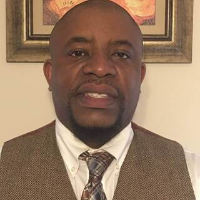
About Terrence
He focuses on helping clients identify inner strengths and take small, workable steps forward. In sessions he listens closely, asks clear questions, and helps people set goals they can actually use. His style is practical and encouraging, with an emphasis on real-life change rather than jargon.
Terrence uses several therapeutic approaches to match what each person needs. He draws on client-centered work to keep the conversation grounded in the client's experience. He may use cognitive behavioral ideas to spot unhelpful thinking patterns and replace them with more effective actions.
Mindfulness and solution-focused techniques are also part of his toolbox. Mindfulness helps people notice their responses in the moment. Solution-focused methods help people identify what works and build on it quickly.
He also works from trauma-focused perspectives when past hurt is getting in the way of daily life. That approach looks at how distressing events affect present thinking and behavior so people can move forward. Terrence aims to create a straightforward plan with each person that fits their life and goals.
How his approaches fit with online work
Client-Centered Therapy centers on the client's experience and priorities and emphasizes listening and empathy. Online sessions can mirror that by keeping the conversation focused on what matters most to the person and using questions that help clarify goals. Cognitive Behavioral Therapy, or CBT, looks at the links between thoughts, feelings, and actions and gives practical tools to change patterns. CBT techniques translate well to remote work because they often use simple exercises and homework that people can practice between sessions.Finding the right mix of approaches is part of the therapy process. He will collaborate with each person to decide whether client-centered, CBT, mindfulness, or trauma-focused ideas best match their needs. That choice is reviewed over time and adjusted as goals change.
Session formats are not listed in the supplied biography, so please confirm current online options before booking. Online work can make attendance easier by reducing travel time and allowing sessions to fit into a busy day. It can also make it simpler to use written exercises, short check-ins, or audio exercises between longer meetings to reinforce progress.
Frequently asked questions
What kinds of problems does Terrence address?
He works with stress, anxiety, depression, grief, trauma and abuse, relationship and family concerns, LGBT issues, parenting and intimacy-related problems among other topics.
What is his general style in sessions?
His approach is listening first and then helping people set clear, practical goals. He keeps conversations direct and focuses on small, usable steps.
How long has he been practicing?
He has 11 years of experience as a clinician working with a range of life challenges and transitions.
What credentials and where is he based?
He holds the LPC credential and practices in South Carolina.
Which languages are available for sessions?
Sessions are offered in English.
Can international clients work with him?
He does not accept international clients at this time.
How are sessions paid for and what do they cost?
Cost varies with location and therapist availability; sessions use a subscription that can be canceled at any time.
How do I begin if I want to work with him?
Choose the Start Therapy button, complete a short matching questionnaire, and then schedule according to the therapist's availability.