- Trauma and abuse
- Addiction support
- Overcontrol issues
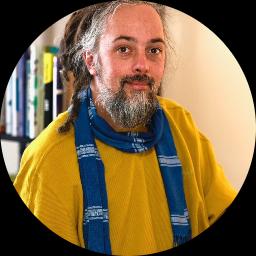
About Thomas
He uses a warm, direct style in sessions. That can include honest feedback, gentle confrontation when needed, and practical steps to change patterns that hold people back. Thomas often frames therapy as a personal journey where the client leads and he supports that work.
Thomas trained at Montreat College and holds the LCMHC credential. He has four years of clinical experience and has spent additional time working in recovery-focused, person-centered therapeutic communities. That background shaped his emphasis on long-term recovery and practical coping skills.
His work pays close attention to patterns of overcontrol such as perfectionism, rigid thinking, and resistance to feedback. He also helps people facing grief, relationship and intimacy struggles, sleep problems, anger, career stress, and issues related to substance use. Thomas describes empathy, warmth, humor, and measured confrontation as central to his approach.
Therapeutic approaches he uses include client-centered work, dialectical behavior therapy elements, existential and narrative methods, and motivational interviewing. People who want a collaborative therapist who will challenge them while offering steady support may find his style fits well.
How therapeutic approaches guide online work
Client-Centered Therapy focuses on listening closely and following the client's lead. It helps people feel heard and understood while they figure out their own next steps. Dialectical Behavior Therapy, in its Radically Open form, emphasizes learning new ways to relate to emotions and to other people. It can be useful for patterns of overcontrol, perfectionism, and loneliness. Existential Therapy looks at meaning, choice, and responsibility. It helps when people feel stuck, empty, or unsure about direction in life.Choosing the right approach is part of the work. Thomas will discuss goals and preferences and together you will decide which methods to try. That collaborative process can include trying different techniques and checking in about what helps most.
Confirm the specific online session options before booking, since formats are not listed in the biography. Online work can make it easier to fit appointments into busy days, shorten travel time, and allow for a simpler check-in when time is tight. It also allows sessions that focus on skills practice, emotional processing, and story work using narrative techniques without needing to change your routine.
Frequently asked questions
What concerns does Thomas commonly address?
He works with stress, anxiety, addictions, depression, bipolar symptoms, grief, trauma and abuse, self-esteem, intimacy-related issues, sleep problems, anger, career transitions, and coping with life changes.
What is his general therapy style?
His approach is collaborative and straightforward. He combines empathy and humor with honest feedback and occasional confrontation to help people shift long-standing patterns.
What experience does he bring to therapy?
Thomas has four years of clinical experience and additional years working in recovery-based, person-centered therapeutic communities with people facing serious mental health and addiction challenges.
What credentials and region are listed for this therapist?
He is listed as an LCMHC, practicing in North Carolina.
Which languages are supported and can international clients connect?
Sessions are offered in English. He is not currently accepting international clients.
What session formats are offered?
Please confirm current session formats before booking, as the biography does not specify which formats are available.
How are costs handled for sessions?
Fees vary with location and therapist availability. Sessions use a subscription model that can be canceled at any time.
How do I begin if I want to work with him?
Use the Start Therapy button, complete the short matching questionnaire, and schedule according to the therapist's availability.