- Trauma informed care
- Addiction support
- Practical skill building
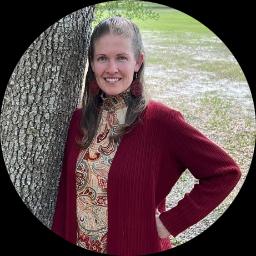
About Tinsley
Her background includes a decade of hands-on clinical work and six years of administrative experience. That mix gives her a practical view of treatment and of how systems work for people seeking help. She uses straightforward, respectful language and focuses on what people can do between sessions.
Tinsley draws from several well-known approaches, including Acceptance and Commitment Therapy, Cognitive Behavioral Therapy, Dialectical Behavior Therapy, Emotionally-Focused Therapy, and Client-Centered Therapy. She blends techniques to match each person’s needs, helping people learn new coping skills and shift unhelpful patterns.
Sessions emphasize clear goals, skill-building, and real-world strategies for handling triggers, cravings, grief, and major life changes. She also supports people working through issues like parenting stress, career decisions, and compassion fatigue. Her approach is steady and practical - aiming to make progress feel manageable.
Message response times are typically within 48 business hours, with weekend messages usually answered on Monday or Tuesday. Tinsley asks for patience when responses take a little longer due to professional or personal responsibilities.
Approaches that translate well to online work
Acceptance and Commitment Therapy, or ACT, helps people notice painful thoughts and feelings without getting stuck in them. It focuses on values and small actions that build a more meaningful life, which can help with anxiety, depression, and motivation struggles.Cognitive Behavioral Therapy, or CBT, teaches concrete skills to change unhelpful thinking and behavior patterns. It is often used for anxiety, mood disorders, and coping with life changes by practicing new habits between sessions.
Dialectical Behavior Therapy, or DBT, emphasizes emotion regulation, distress tolerance, and interpersonal effectiveness. It can be useful for strong emotions, impulsive behavior, and challenges with relationships or self-management.
Finding the right approach is part of the work. The therapist will collaborate with each person to decide which methods fit best based on their goals, needs, and preferences. This makes sessions more relevant and easier to use in day-to-day life.
Confirm the available session options before scheduling, since specific formats were not listed in the biography. Online sessions can make it easier to fit therapy into a busy routine, shorten commute time, and allow check-ins during a lunch break or between obligations. Different approaches support different goals, and Tinsley can help pick methods and pacing that suit a person’s schedule and needs.
Frequently asked questions
What concerns does this therapist address?
Tinsley helps people with stress, anxiety, depression, addictions, low self-esteem, grief, trauma and abuse, and related challenges.
How would you describe the therapeutic style?
She uses a practical, strengths-based style that focuses on goals and skills people can use between sessions.
What is her professional background?
She has 17 years of experience, including ten years of direct clinical work and six years of administrative roles in mental health and substance abuse treatment.
What credentials and location are listed?
She is an LCSW licensed in Florida and Arizona and practices from Florida.
Which languages are supported and can international clients work together?
Sessions are offered in English and international clients are accepted.
What session formats are available?
The original biography does not list specific session formats; please confirm current session options before booking.
How does pricing work for sessions?
Cost varies with location and therapist availability; sessions use a subscription that can be canceled at any time.
How do I begin working with this therapist?
Select the Start Therapy button, complete a short matching questionnaire, and schedule according to therapist availability.