- CBT informed
- Strengths focused
- Warm collaborative tone
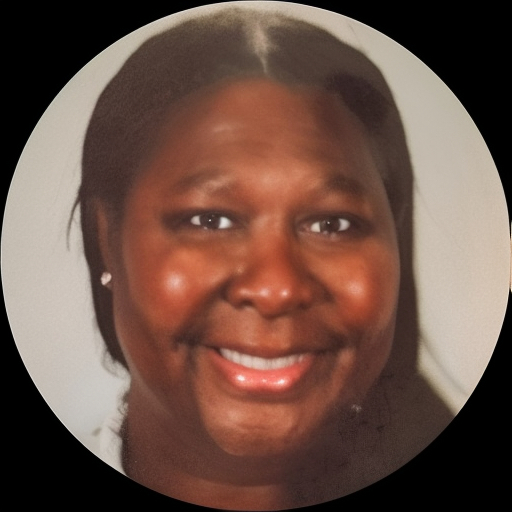
About Tonia
She often uses Cognitive Behavioral Therapy to help people notice and change thought patterns that contribute to anxiety, depression, and stress. Sessions are tailored to each person’s needs and goals. Tonia helps clients break down problems into manageable steps and practice new skills between meetings.
Many people come for help with trauma and abuse, relationship strain, low self-esteem, and mood challenges. She also supports work around communication problems, feelings of isolation, panic, dissociation, and issues tied to veterans and armed forces experiences. Her approach aims to reduce symptoms and improve everyday functioning through steady, practical work.
With five years of clinical experience, Tonia brings steady focus to each session and values listening first. She combines a person-centered attitude with structured techniques when they fit the client’s goals. This balance helps people build tools they can use outside of therapy.
Sessions are conducted in English and take place in Georgia. Prospective clients can start by using the site’s Start Therapy button, completing a short matching questionnaire, and scheduling according to therapist availability.
How evidence-based techniques translate to online therapy
Many of the techniques Tonia uses are grounded in evidence-based therapeutic methods that focus on changing unhelpful thoughts and building coping skills. Cognitive Behavioral Therapy helps people identify thought patterns that fuel anxiety or depression and then practice new, more useful ways of thinking and acting. This approach is practical and task-oriented, which can work well in a remote format where homework and skill practice are a focus.She also emphasizes a person-centered, strengths-based stance that prioritizes listening, validation, and collaboration. That means the therapist and client together decide which methods to try and adjust the plan as needed. Finding the right mix of approaches is part of the work rather than a one-time decision.
Session format options are not specified in the biography, so confirm current session types before booking. Online work can make it easier to fit therapy into a busy schedule, reduce travel time, and allow brief check-ins when needed. It also supports using worksheets, mood tracking, and between-session practice to reinforce progress. A therapist can help match session rhythm and format to a client’s goals and daily life.
Frequently asked questions
What concerns does she help with?
She works with stress, anxiety, depression, relationship strain, trauma and abuse, and low self-esteem. Additional focus areas include panic, dissociation, communication problems, and mood or personality concerns.
What is her therapeutic style like?
Her approach is collaborative and person-centered with a strengths focus. She blends listening and practical techniques to help clients try new skills between sessions.
How much clinical experience does she have?
She has five years of professional experience working with adults on mood, stress, trauma-related, and relationship concerns.
What credentials and region does she practice in?
She is a Licensed Professional Counselor (LPC) practicing in Georgia.
Which languages are supported for sessions?
Sessions are offered in English.
Can people outside the U.S. work with her?
She does not accept international clients at this time.
How does billing and cost work?
Cost varies with location and therapist availability; sessions use a subscription that can be canceled at any time.
What are the first steps to begin therapy?
Use the Start Therapy button, complete a short matching questionnaire, and then schedule sessions according to the therapist's availability.