- Experienced LMHC
- Trauma-aware care
- Skills and meaning
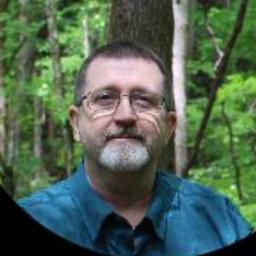
About Tony
He blends Cognitive Behavioral Therapy, Existential Therapy, and other approaches to match each person's needs. Sessions aim to teach useful skills, build better daily routines, and create treatment plans the client helps shape. That hands-on planning keeps the work focused and measurable.
Tony's background includes work in both inpatient and outpatient settings and experience with trauma, forensic settings, substance abuse programs, and suicide-related care. He has also worked with people facing gender identity questions, LGBT concerns, and a range of behavioral and personality issues. Those roles shaped his approach to crisis, recovery, and long-term coping strategies.
In sessions he emphasizes clear communication, practical education, and active participation. He often uses behavioral tools, mindfulness practices, and emotionally focused techniques depending on the issue. Clients are treated as partners in setting goals and tracking progress.
People who choose him usually want an experienced clinician who combines direct skill-building with attention to personal meaning. To begin, clients complete a simple matching questionnaire and then schedule sessions according to the therapist's availability.
How these approaches translate to online work
CBT focuses on identifying unhelpful thoughts and testing them with practical experiments. Online sessions can include worksheets, behavior plans, and short between-session tasks to track progress. DBT teaches skills for emotional regulation, distress tolerance, and interpersonal effectiveness and often uses structured practice and coaching around those skills.Finding the best approach is a collaborative process. The therapist will discuss goals, try methods that fit the person's needs, and adjust as progress is reviewed. That back-and-forth helps pick the strategies that feel most useful and realistic for daily life.
This profile does not list specific session formats, so confirm online options before booking. In general, remote sessions can make it easier to fit therapy into busy schedules, allow shorter check-ins when needed, and reduce travel time. They also let people use worksheets and mindfulness exercises in their own routines while keeping focus on skill practice and emotional work.
Frequently asked questions
What concerns does Tony commonly address?
He works with stress, anxiety, trauma and abuse, depression, bipolar, addictions, and related issues such as anger, ADHD, grief, and relationship problems.
What is his general therapy style?
He uses clear, practical methods like cognitive behavioral and existential approaches and focuses on skill building and treatment planning with the client.
How much clinical experience does he have?
He has 27 years of experience across inpatient and outpatient settings, including work with trauma, substance abuse programs, forensic settings, and crisis care.
What credentials and location are listed?
He is a licensed mental health counselor, FL LMHC, and practices in Florida.
Which languages are sessions offered in?
Sessions are offered in English and international clients are not currently accepted.
What session formats are available?
Please confirm current session formats before booking, as the biography does not specify which formats are offered.
How does cost and billing work?
Cost varies with location and therapist availability; sessions use a subscription that can be canceled at any time.
How do I begin work with this therapist?
Select the Start Therapy button, complete a short matching questionnaire, and then schedule sessions according to the therapist's availability.