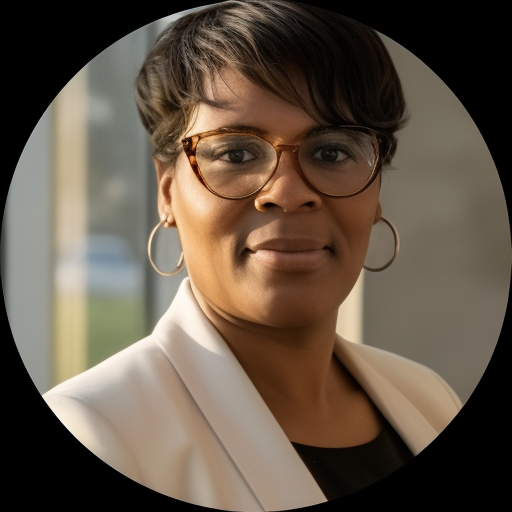
- Client-centered care
- CBT focused work
- Trauma-aware approach
About Tonyamonique
She describes herself as easy to talk to and a good listener. She strives to be warm, open-minded, and optimistic, and she uses a bit of humor when it fits. Most people meet her ready to talk through stress, anxiety, grief, or life transitions, and she focuses on what matters to each person.
Her general style centers on practical skills and personal reflection. Tonyamonique often uses cognitive behavioral methods to identify unhelpful thinking and try different responses. She also draws on client-centered ideas to follow the client’s lead and build on their strengths.
Clients come for a range of concerns, including trauma and abuse, addictions, depression, anger, self-esteem, ADHD, and coping with major life changes. She also helps people facing family conflict, communication problems, divorce, and grief. Work in the room ranges from short-term coping strategies to longer conversations about life purpose and meaning.
Her background in crisis work and corrections informs a straightforward approach. Tonyamonique encourages scheduling a first session to see how she and the client connect and to begin mapping out steps forward.
How therapeutic approaches translate to online work
Client-Centered Therapy focuses on listening and following the client's priorities. The therapist offers empathy and reflection to help the person name concerns and decide what to work on. Cognitive Behavioral Therapy (CBT) helps people notice unhelpful thoughts and try different actions. It often involves setting small goals, trying new behaviors, and practicing skills between sessions. Dialectical Behavior Therapy (DBT) emphasizes skills for managing intense emotions and improving coping and interpersonal effectiveness; it includes practical exercises for handling crises and reducing reactivity.Choosing the right approach is a shared process. Tonyamonique will talk with clients about goals and preferences, and together they will pick methods that fit the person's needs. That collaborative planning can change over time as issues shift and progress is made.
Confirm current session options before booking, since formats are not specified here. Online therapy can make it easier to fit sessions into a busy life, reduce travel time, and allow check-ins during a work break or between errands. Some approaches translate well to short skill-focused sessions, while others work better over longer conversations; the therapist will discuss what rhythm of sessions fits each person.
Frequently asked questions
What kinds of problems does Tonyamonique address?
She works with stress, anxiety, depression, trauma and abuse, addictions, self-esteem, anger, grief, ADHD, and coping with life changes, among other concerns.
What is her approach to therapy?
Her style is conversational and practical. She commonly uses cognitive behavioral techniques and follows a client-centered stance, adding other methods when helpful.
What experience does she bring to sessions?
She has five years of clinical experience, including work at a behavioral health crisis center and in a correctional system.
What credentials and location information are provided?
She is a Licensed Professional Counselor, LPC, practicing in the state of Georgia.
In which languages are sessions offered?
Sessions are offered in English.
Can people outside the United States work with her?
She is not currently accepting international clients.
How are fees and billing handled?
Cost varies with location and therapist availability; sessions use a subscription that can be canceled at any time.
How do I begin working with her?
Use the Start Therapy button, complete a short matching questionnaire, and then schedule according to the therapist's availability.