- Trauma informed approach
- Practical coping skills
- Affirming and direct
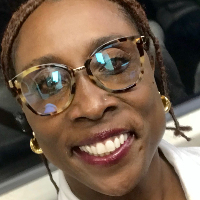
About Tunjua
Tunjua centers sessions on each person’s story and goals. She listens first, then works with clients to build practical coping skills for anger, addictions, grief, and major life changes. She also helps people struggling with self-esteem, intimacy concerns, career stress, and issues tied to identity and LGBT concerns.
Her work blends client-centered listening with tools from cognitive behavioral therapy and dialectical behavior therapy. She uses emotionally focused techniques to look at relationship patterns and can include EMDR for those processing traumatic memories when appropriate. The emphasis is on clear steps clients can use between sessions.
Tunjua aims to create an affirming space that values a person’s identity and lived experience. Sessions focus on improving communication, setting boundaries, and building routines that reduce overwhelm. She also addresses more specific concerns such as attachment issues, codependency, caregiver stress, and complicated family dynamics.
If you want guided support to make changes and feel more grounded, she helps people break problems into manageable pieces. Her style is respectful, practical, and aimed at helping clients move toward greater self-understanding and stability.
How her approaches translate to online care
Client-Centered Therapy focuses on listening and responding to what matters most to the client. Online sessions let the therapist follow the client’s lead while offering steady verbal support and practical guidance for daily challenges.Cognitive Behavioral Therapy (CBT) teaches concrete tools to change unhelpful thinking and behavior. In an online setting, CBT work can include setting goals, practicing skills between sessions, and reviewing progress together on video or phone.
Dialectical Behavior Therapy (DBT) emphasizes emotion regulation, distress tolerance, and interpersonal effectiveness. These skills adapt well to remote work through guided coaching, homework assignments, and real-time problem solving with the therapist.
Finding the right approach is a collaborative process. The therapist will talk with each person about goals and preferences, then try methods that fit their needs. Clients and the therapist will review what’s helping and make adjustments over time.
Session formats are not specified in the profile, so confirm current options before booking. Online sessions can make it easier to fit therapy into a busy week, allow shorter check-ins when needed, and reduce travel time. Licensed professionals can use remote work to focus on skill practice, processing difficult memories, and improving everyday routines without requiring major schedule changes.
Frequently asked questions
What kinds of problems does she help with?
She works with stress, anxiety, depression, relationship struggles, trauma and abuse, grief, and addiction concerns, among other issues listed in her specialties.
What is her therapeutic style like?
Her style is client-centered and practical, combining listening with skill-building from CBT and DBT and relationship-focused techniques to change patterns.
How long has she practiced?
She has 26 years of experience as a licensed mental health counselor working with a variety of emotional and relational concerns.
Where is she licensed and located?
She is a Florida LMHC and practices from Florida.
Which languages are supported for sessions?
Sessions are offered in English, and she accepts international clients.
What session formats are offered?
Session formats are not specified in the profile; please confirm current session options before booking.
How does cost and billing work?
Cost varies with location and therapist availability, and sessions use a subscription that can be canceled at any time.
How do I begin working with her?
Use the Start Therapy button, complete a short matching questionnaire, and schedule based on therapist availability.