- Trauma and abuse focus
- LGBT and women's issues
- Practical steps forward
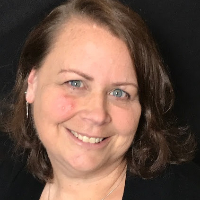
About Valerie
She holds a doctorate in marriage and family therapy and uses that background to guide thoughtful, practical care. In sessions she creates a collaborative, nonjudgmental space where people can talk through life changes or get help making clear next steps. She aims to meet each person where they are and to respect their goals.
Her approach emphasizes listening first. She uses Client-Centered methods to focus on the person in front of her, Narrative Therapy to help people reframe difficult stories, and Solution-Focused techniques to build concrete steps forward. Those methods are mixed to fit what a client needs and wants.
Valerie has worked in a variety of clinical settings across her career, including teaching future therapists. That range of experience informs sessions that are practical and straightforward. She describes therapy as a journey and supports people as they decide what recovery or change looks like for them.
Sessions often address issues like grief, intimacy, eating and sleeping concerns, parenting stress, compassion fatigue, ADHD-related struggles, and career or life transitions. She encourages people to bring their real concerns and practical questions into the room.
How these approaches shape online work
Client-Centered Therapy emphasizes listening and following the client's lead. It supports people who need a space to be heard and to make decisions at their own pace. Narrative Therapy helps people separate themselves from painful stories and rewrite how they view difficult events. It can be useful for processing trauma and abuse or shifting identity-related stress. Solution-Focused Therapy concentrates on small, practical steps and short-term goals to create change quickly and clearly.Finding the right approach is part of the work together. The therapist will discuss goals, needs, and preferences and then suggest which methods to try. That makes therapy a collaborative process where the plan is adjusted over time based on what helps most.
Confirm the exact session options before booking, since specific formats are not listed in the biography. Online sessions can make it easier to fit therapy into a busy week, reduce travel time, and allow shorter check-ins when schedules are tight. They also let people join from different locations within the therapist's practice area. Licensed professionals like this therapist aim to use approaches that match a client's situation and daily life.
Frequently asked questions
What concerns does she help with?
She works with people facing stress, anxiety, depression, trauma and abuse, relationship and family challenges, grief, and related issues such as eating, sleeping, and intimacy concerns.
How would you describe her therapy style?
Her style is collaborative and nonjudgmental. She listens first, then uses client-centered, narrative, and solution-focused ideas to build practical steps.
What is her background and experience?
She has nearly 20 years of experience working in a variety of settings and also teaches students who are studying to become therapists.
What credentials and region are listed?
She is a licensed marriage and family therapist (LMFT) with license designations in Michigan and South Carolina, and she practices in South Carolina.
Which languages are supported?
Sessions are offered in English.
What session formats are available?
Please confirm current session options before booking, as the biography does not list specific session formats for online or in-person work.
How are fees and payment handled?
Cost varies with location and therapist availability; sessions use a subscription that can be canceled at any time.
How do I begin working together?
Select the Start Therapy button, complete a short matching questionnaire, and schedule according to the therapist's availability.