- Trauma and abuse support
- ASL capable
- 34 years experience
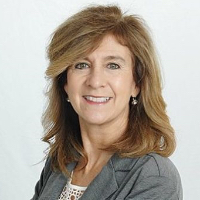
About Victoria
She draws on Acceptance and Commitment Therapy, Client-Centered Therapy, and Cognitive Behavioral Therapy to shape sessions. Conversations are practical and goal-focused. She helps people notice patterns, try small changes, and build routines that feel manageable.
Victoria has long experience supporting parents, people facing career shifts, and those coping with trauma and abuse. She also has a strong history working with Deaf and hard-of-hearing people and those with vision loss, and she can communicate in American Sign Language.
Her background includes life as a career military spouse, which informs how she understands the stresses that come with military life and frequent transitions. Victoria also uses healthful activities such as yoga to help people manage daily stress.
To begin, she asks people to share their contact preferences and times that work best. That information helps shape the first steps toward finding useful coping strategies and making steady progress.
How evidence-based approaches translate to online care
Acceptance and Commitment Therapy (ACT) helps people clarify what matters most to them and take small steps toward those values. It often focuses on accepting difficult feelings while still moving toward meaningful goals, which can help with anxiety, depression, and life transitions.Client-Centered Therapy centers the person’s experience and uses listening and empathy to create space for change. This approach can help people feel understood and better able to try new ways of coping.
Cognitive Behavioral Therapy (CBT) looks at how thoughts, feelings, and behaviors link together and teaches concrete skills to shift unhelpful patterns. CBT is commonly used for anxiety, mood concerns, sleep problems, and anger management.
Choosing the best approach is a collaborative process. The therapist will work with each person to match methods to their needs, goals, and preferences and may combine elements from different approaches based on what helps most.
Online therapy can make fitting sessions into a busy life easier. The original biography referenced video calls, phone conversations, and text chatting as ways to receive counseling, so confirm which of those formats are currently available when you book. Many people find remote sessions simpler to schedule, easier to attend between obligations, and helpful for keeping progress steady without long travel times.
Frequently asked questions
What concerns does Victoria help with?
She works with stress, anxiety, depression, trauma and abuse, parenting issues, relationship strain, grief, sleep problems, anger, career changes, bipolar concerns, ADHD, compassion fatigue, and coping with life changes.
What is her therapy style like?
Sessions are practical and person-centered, with an emphasis on small, doable changes. Conversations focus on immediate problems and strategies people can use between meetings.
How much experience does she have?
Victoria has 34 years of counseling experience and has worked extensively with Deaf and hard-of-hearing clients and people with vision loss.
What credentials and region apply?
She holds LPC and LCMHC credentials and practices from Pennsylvania; credential details include PA LPC and NC LCMHC.
Which languages are supported?
Sessions are offered in English and American Sign Language.
What session formats are offered?
The original biography mentions video, phone, and text chat as ways to receive counseling; confirm current session options before booking.
How does billing and cost work?
Cost varies with location and therapist availability, and sessions use a subscription that can be canceled at any time.
How do I begin working with her?
Click the Start Therapy button, complete a short matching questionnaire, and schedule based on the therapist's availability.