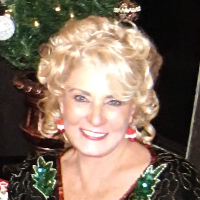
- Trauma and abuse support
- Skills-focused therapy
- Experienced LCSW
About Virginia
In sessions she focuses on what is happening now and what can change. She uses straightforward talk, skill-building, and goal-focused work. That can mean learning ways to handle strong emotions, improving sleep and eating patterns, or making choices that reduce unhealthy habits. She also addresses grief, relationship and intimacy concerns, and issues connected to caregiving and chronic illness.
Her background includes long experience in mental health care and a clinical social work credential, LCSW. She has worked with people affected by substance use, domestic violence, codependency, and trauma-related symptoms. That experience informs a practical approach that mixes skills training with attention to attachment and emotional patterns.
Dr. Clark uses approaches such as Acceptance and Commitment Therapy, Cognitive Behavioral Therapy, Dialectical Behavior Therapy, Attachment-Based Therapy, and Emotionally-Focused Therapy. She tailors methods to each person rather than following a single formula. Sessions aim to build daily routines, clearer boundaries, and better emotional coping.
If someone is ready to start, she asks them to complete a short matching questionnaire and schedule a time. The process is meant to be straightforward and focused on helping people regain steadiness and hope.
Approaches that guide online sessions
Acceptance and Commitment Therapy (ACT) emphasizes identifying personal values and taking small, committed steps toward them. It helps when worry, avoidance, or low mood stop people from living the life they want.Cognitive Behavioral Therapy (CBT) focuses on the link between thoughts, feelings, and behavior. It offers practical tools to change unhelpful thinking patterns and to build healthier routines for sleep, eating, and daily functioning.
Finding the right approach is part of the work together. The therapist will talk with each person about goals, challenges, and preferences and then try methods that fit. That collaborative process helps tailor techniques so they feel useful in everyday life.
Session formats are not specified in the biography, so confirm available options before booking. Online therapy can make it easier to fit appointments into a busy week, reduce travel time, and allow shorter check-ins when that suits the person. It can also let people work on emotion regulation and behavioral changes from wherever they are, while keeping the focus on practical steps and skill practice.
Frequently asked questions
What concerns does she help with?
She helps people with stress, anxiety, depression, addictions, trauma and abuse, grief, relationship and intimacy issues, sleep and eating problems, and caregiving strain.
What is her therapeutic style like?
Her style is practical and direct. She focuses on concrete skills, emotion regulation, and steps people can use between sessions.
How many years has she practiced?
She has 40 years of experience in mental health care, bringing long-term clinical perspective to current concerns.
What credentials and location apply?
She holds an LCSW and practices in Florida.
Which languages are used for sessions?
Sessions are offered in English.
Can people outside the country work with her?
She does not accept international clients at this time.
How are fees handled?
Cost varies with location and therapist availability; sessions use a subscription that can be canceled at any time.
How do I begin working with her?
Select the Start Therapy button, complete a short matching questionnaire, and schedule according to the therapist's availability.