- Trauma-aware care
- Skills and problem solving
- Collaborative approach
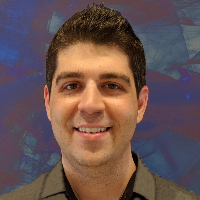
About Zach
He draws on eight years of experience in group homes, schools, community programs, and office settings. That background means he has worked with young people and adults in different environments and understands everyday pressures. He emphasizes teamwork in the room and helps clients map out responses to difficult situations.
Zach uses a mix of evidence-based therapeutic techniques and client preferences to shape sessions. He names person-centered approaches, cognitive behavioral methods, strength-based work, and reality-oriented strategies among the techniques he uses. He aims to match methods to the goals each person brings to therapy.
In practice he helps people with attention-related concerns, addiction issues, intimacy struggles, parenting strain, and career stress alongside mood and anxiety problems. He also supports people dealing with LGBT-related concerns and trauma and abuse. Zach works to create clear, manageable steps so progress feels achievable.
Clients can expect a practical approach that balances skills, self-reflection, and problem solving. He asks questions, listens for what matters most, and adapts strategies as needs change. The overall focus is on finding useful ways to feel better and move forward.
How evidence-based methods translate to online work
Person-centered work focuses on listening closely and following what matters most to the client. It helps people feel heard and guides goal-setting and self-directed change. Cognitive behavioral techniques teach practical skills for changing unhelpful thoughts and behaviors, which can reduce anxiety and improve mood when practiced regularly.Finding the right approach is part of the process. The therapist will work together with the client to decide which techniques fit the person's goals, needs, and preferences. That collaborative process includes trying methods, checking what helps, and adjusting as progress is made.
The original biography does not list specific session formats, so confirm current online options before booking. In general, online work can make it easier to fit therapy into a busy week, allow shorter check-ins when needed, and reduce travel time. It can also make sessions accessible across regions when logistics or schedules make in-person visits difficult. Licensed professionals will discuss what format best suits your situation and goals before scheduling.
Frequently asked questions
What concerns does Zach commonly address?
He works with stress, anxiety, depression, trauma and abuse, grief, ADHD, addictions, relationship and intimacy issues, parenting strain, anger, self-esteem, and career concerns.
How would you describe his therapy style?
He uses a practical, collaborative style that mixes skill-building with reflection. Sessions focus on mapping responses and creating manageable steps.
What is his background and experience?
He has eight years of experience and has worked in group homes, schools, community settings, and office environments with children, adolescents, and adults.
What credentials and location are listed?
Zach is an LPC - Licensed Professional Counselor - practicing in Georgia.
Which languages and international clients does he support?
Sessions are offered in English and he accepts international clients.
What session formats are available?
The original biography does not list specific session formats, so please confirm current session options before booking.
How is cost handled for sessions?
Cost varies with location and therapist availability; sessions use a subscription that can be canceled at any time.
How do I begin working with him?
Select the Start Therapy button, complete a short matching questionnaire, and schedule according to therapist availability.