- Client-centered approach
- Practical skill building
- Relationship focus
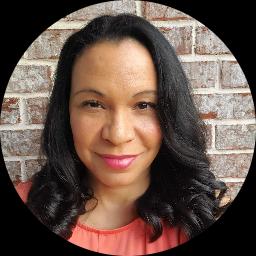
About Zoe
She draws on client-centered work to create a respectful, nonjudgmental environment. Zoe uses Cognitive Behavioral Therapy to help people notice unhelpful thoughts and change patterns that keep problems going. Dialectical Behavior Therapy skills are added when people need support with emotional regulation and distress tolerance.
Zoe pays close attention to communication patterns and relationship dynamics. She helps clients spot what gets in the way of connection and practice new ways of relating. That practical focus often includes small experiments between sessions to test new approaches in real life.
The therapist also supports people through life transitions, parenting challenges, compassion fatigue, and identity questions related to gender and sexuality. She addresses complex issues like attachment concerns, adoption and foster care history, and blending families with clear, straightforward steps.
Throughout her work Zoe aims to make therapy a tool people can use to feel better and act differently. She invites clients to work at a pace that fits their goals, and to take ownership of change as they move through the healing process.
How Zoe’s Approaches Translate to Online Work
Client-Centered Therapy emphasizes a respectful, listening stance where the therapist follows the person’s lead and builds goals together. It helps people who need acceptance and a steady space to make sense of feelings and choices.Cognitive Behavioral Therapy, or CBT, focuses on the link between thoughts, feelings, and actions. Zoe uses it to help people identify unhelpful thought patterns and try new behaviors that reduce anxiety, depression, and relationship strain.
Dialectical Behavior Therapy, or DBT, offers specific skills for handling intense emotions and managing distress. When emotional regulation is a concern, these skills help people respond more effectively in heated moments and crises.
Finding the right approach is part of the work. Zoe will collaborate with each person to choose which methods fit their needs and goals. She tailors plans based on what clients want to change and what feels realistic for their lives.
Practical advantages of online therapy include fitting sessions into busy schedules and reducing travel time. Some people use online meetings when they need a shorter check-in or when camera-free conversations are easier; others prefer a standard session format. The therapist’s profile does not list specific session formats, so confirm current options before booking. Online work can make it easier to keep continuity during life transitions and to practice skills between meetings.
Frequently asked questions
What concerns does Zoe commonly help with?
She works with stress, anxiety, relationship and intimacy issues, grief, depression, trauma and abuse, and related areas such as parenting, self-esteem, and ADHD.
What is her therapeutic style like?
Her style is client-centered and practical. She combines approachable conversation with skill practice to help people change thoughts and behaviors that cause distress.
How long has she been practicing?
Zoe has 25 years of experience in the mental health field, working with individuals and couples across a range of concerns.
What credentials and region are listed?
She holds LMHC and LPC credentials and is based in Georgia while also holding licensure in Florida as noted in her profile.
Which languages and international options are available?
Sessions are offered in English and she accepts international clients.
What session formats are offered?
The original profile does not list specific session formats; please confirm current session options before booking.
How does payment or cost work?
Cost varies with location and therapist availability, and sessions use a subscription that can be canceled at any time.
How do I begin working with her?
Start by selecting the Start Therapy button, completing a short matching questionnaire, and then schedule according to therapist availability.